
Binge Eating Disorders & Weight Loss
Symptoms
Frequent episodes of consuming large amounts of food rapidly.
Feeling a lack of control during binge episodes.
Eating alone due to embarrassment about the quantity of food consumed.
Emotional distress, guilt, or shame after binge eating episodes.
Unhealthy eating patterns include eating when not physically hungry and using food to cope with emotions.
Emotional eating in response to stress, anxiety, or sadness.
Mindless eating without paying attention to hunger cues.
Opting for comfort foods high in sugar, fat, or carbohydrates to soothe emotional distress.
Overeating as a way to cope with anxiety.
Lack of physical activity potentially contributes to weight gain and obesity.
Causes
Causes for binge eating/anxiety eating disorders and obesity may include:
Causes of Binge Eating Disorder (BED):
Diagnosis
Diagnosis for binge eating/anxiety eating disorders and obesity may involve:
Clinical Assessment:
Diagnostic Criteria:
Physical Examination:
Psychological Evaluation:
Diagnosis of Obesity:
Body Mass Index (BMI):
Clinical Assessment:
Medical Tests:
Psychosocial Evaluation:
Treatments
Our Medical Weight Loss & Maintenance Program offers a holistic approach to tackling binge eating and anxiety-related eating disorders with a primary focus on weight loss. Our program integrates Acceptance-Based Behavioral Therapy to address the psychological aspects of disordered eating. Also employing state-of-the-art weight loss procedures without surgery, such as Focused Electromagnetic Stimulation and Radio Frequency (RF) therapy, we strive to enhance muscle tone and metabolic function. Complementary modalities like Extracorporeal Shockwave Therapy (ESWT) and Cryotherapy contribute to overall well-being, aiding in tummy fat reduction. Personalized exercise regimens and rehabilitation plans are tailored to promote physical health. Furthermore, our lifestyle management strategies support sustained weight loss and overall well-being, ensuring a comprehensive and effective approach to address the intricate interplay of physical and psychological factors for lasting results.
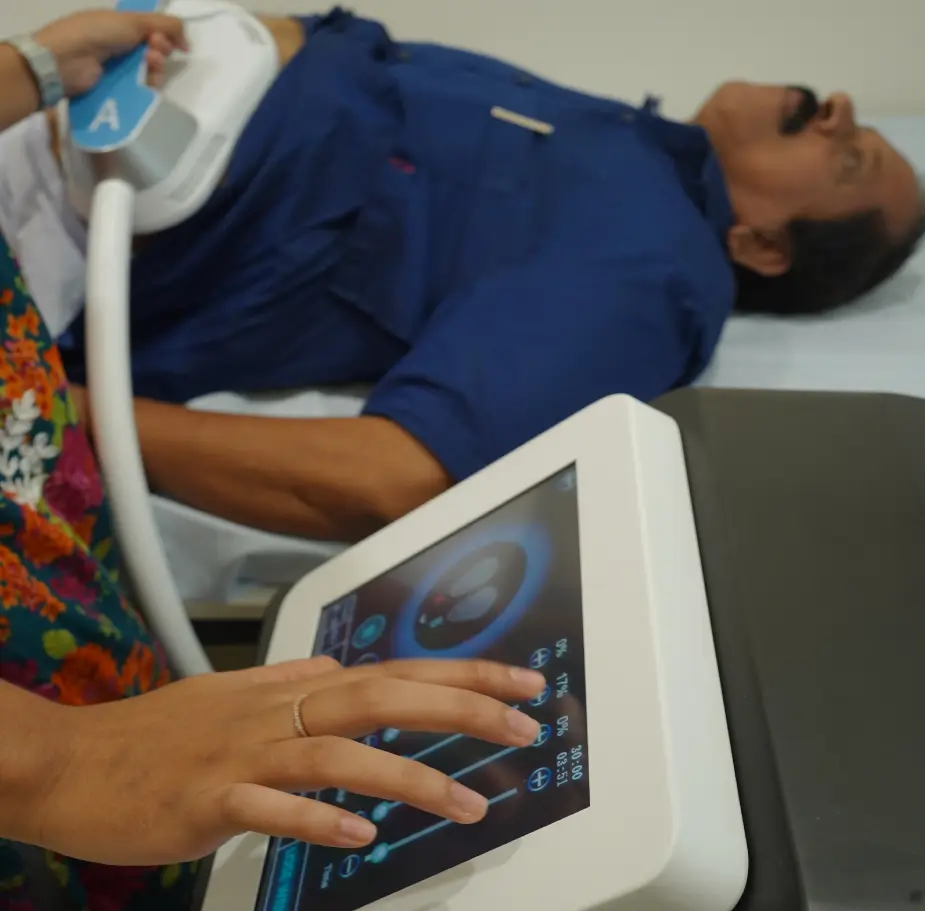
Binge Eating Treatment: Weight Loss
Elements of Pelvic Floor Strengthening & Sexual Wellness Program
Focused Electromagnetic Stimulation & Radio Frequency (RF) Therapy
Extracorporeal Shockwave Therapy (ESWT)
Lifestyle Management
Exercises & Rehabilitation
Diet & Nutrition Management
Get a Quick Reply Here
Office
Monday to Saturday: 8:30am – 6pm
Make A Call Now
Frequently Asked Questions
What are the symptoms of binge eating-related weight gain? Frequent episodes of eating large amounts of food rapidly, a feeling of losing control while eating, eating alone due to embarrassment, and emotional distress or guilt afterward.
What causes binge eating disorder? Genetic predisposition, neurotransmitter imbalances, psychological factors such as low self-esteem, strict dieting that increases cravings, and environmental stressors.
How is binge eating disorder diagnosed? A thorough evaluation by healthcare professionals using DSM-5 criteria, exploring eating behaviors, frequency of episodes and emotional triggers, along with a physical assessment.
How is it addressed at Maana Health? The program combines Focused Electromagnetic Stimulation & Radio Frequency therapy, Extracorporeal Shockwave Therapy, lifestyle management, and diet and nutrition guidance alongside behavioral support.