
Urinary Incontinence
Symptoms
Persistent urge
Involuntary leakage
Sudden urges
Frequent bathroom visits
Difficulty initiating urination
Incomplete emptying
Leakage during activities
Increased Risk of Infections
Causes
Causes for urinary incontinence may include:
Diagnosis
Diagnosis for urinary incontinence may involve:
Treatments
The effectiveness of this treatment has been well-documented, with many patients experiencing significant improvements in their symptoms. The High-Intensity Focused Electromagnetic Chair helps to strengthen the pelvic floor muscles, while exercises and rehabilitation techniques further enhance muscle tone and control. Lifestyle and diet modifications also play a crucial role in managing urinary incontinence.
In conclusion, we at Maana Health promise our patients dedicated care and support throughout their treatment journey. Our goal is to help individuals regain control over their bladder function and improve their quality of life. With our comprehensive program, we are confident in our ability to provide effective and lasting relief for those struggling with urinary incontinence.
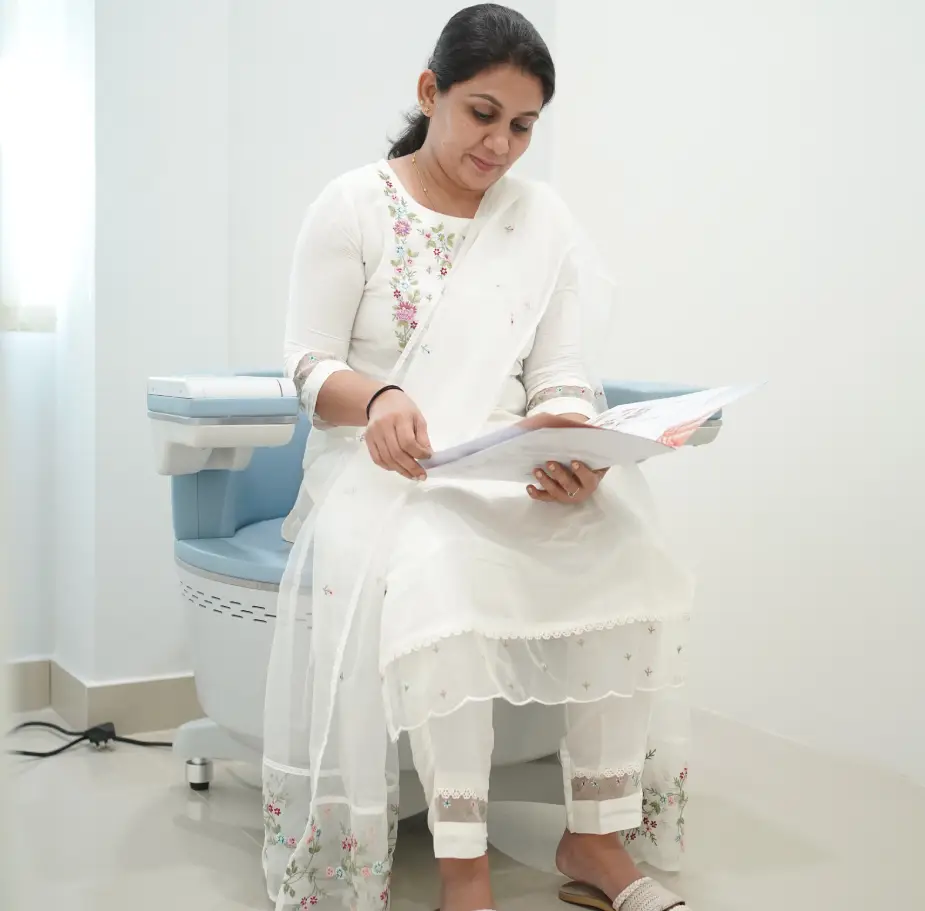
Best Urinary Incontinence UI Treatment
Elements of Pelvic Floor Strengthening Program
Pelvic Floor Strengthening Device Therapy
Lifestyle Management
Exercises & Rehabilitation
Diet & Nutrition Management
Get a Quick Reply Here
Office
Monday to Saturday: 8:30am – 6pm
Make A Call Now
Frequently Asked Questions
What are the symptoms of urinary incontinence? A persistent urge to urinate, involuntary leakage, sudden urges, frequent bathroom visits, difficulty starting urination, incomplete emptying, and leakage during activity.
What causes urinary incontinence? Weak pelvic floor muscles, aging, hormonal changes, an enlarged prostate, nerve damage, urinary tract infections, certain medications, chronic constipation, and obesity.
How is urinary incontinence diagnosed? A medical history review, physical exam of the pelvic floor and neurological function, and a bladder diary tracking fluid intake and incontinence episodes.
How is urinary incontinence treated at Maana Health? The Pelvic Floor Strengthening Program uses the Pelvic Floor Strengthening Device chair, exercise and rehabilitation, lifestyle management, and diet and nutrition guidance.