
Urinary Incontinence in Men due to Prostate Issues
Symptoms
Leakage during activities
Sudden and intense urge to urinate
Frequent dribbling of urine
A weak or interrupted urine stream
Postvoid dribbling, where urine continues to dribble after completing urination.
Increased urinary frequency, especially at night
Difficulty starting or maintaining a urine stream.
Sensation of incomplete emptying of the bladder after urination.
Pelvic pain or discomfort.
Causes
Causes for urinary incontinence may include:
Diagnosis
Diagnosis for urinary incontinence may involve:
Treatments
Our Pelvic Floor Strengthening & Sexual Wellness Program offers a personalized approach to address urinary incontinence in men due to prostate issues. We utilize cutting-edge treatments such as Pelvic Floor Strengthening Device therapy to strengthen pelvic floor muscles and improve sexual wellness. The program also includes complementary treatments like Extracorporeal Shockwave Therapy (ESWT), Lifestyle Management, targeted Exercises & Rehabilitation, and personalized Diet and Nutrition Management. This holistic approach aims to address the root causes of urinary incontinence, providing a comprehensive solution for improved bladder control and overall pelvic health.
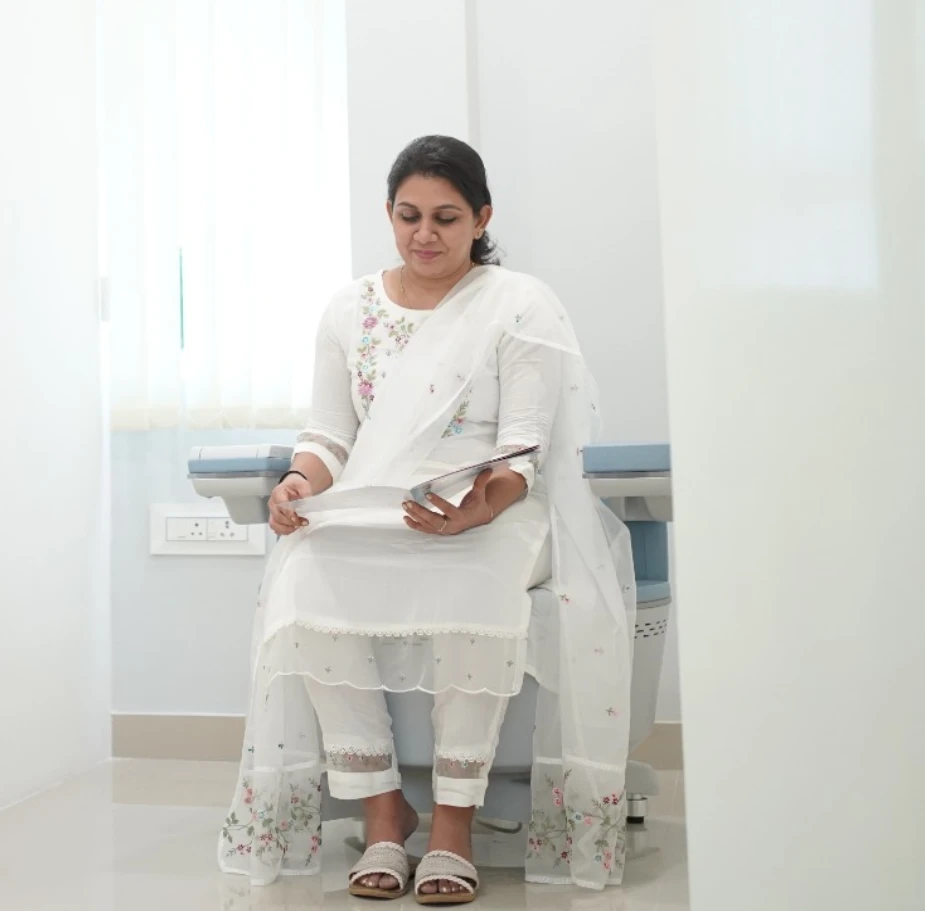
Best Urinary Incontinence Treatment for Men
Elements of Pelvic Floor Strengthening Program & Sexual Wellness Program
Pelvic Floor Strengthening Device Therapy
Extracorporeal Shockwave Therapy (ESWT)
Lifestyle Management
Exercises & Rehabilitation
Diet & Nutrition Management
Get a Quick Reply Here
Office
Monday to Saturday: 8:30am – 6pm
Make A Call Now
Frequently Asked Questions
What are the symptoms of urinary incontinence linked to prostate issues? Leakage during activity, a sudden intense urge to urinate, dribbling, a weak or interrupted stream, frequent nighttime urination, and a sense of incomplete bladder emptying.
What causes urinary incontinence in men with prostate issues? An enlarged prostate (BPH), prostate cancer, prostate surgery, prostatitis, aging, neurological conditions, and pelvic muscle weakness.
How is it diagnosed? A medical history review, physical and digital rectal exam, urinalysis, urodynamic testing, and imaging studies.
How is it treated at Maana Health? Pelvic Floor Strengthening Device therapy to strengthen pelvic floor muscles, combined with Extracorporeal Shockwave Therapy, lifestyle management, and targeted exercises.