
Did you know that most people in Malappuram still believe that a "disc bulge" or "slipped disc" means an inevitable date with a surgeon's scalpel? For years, the standard response to chronic back or neck pain has been a choice between lifelong painkillers or invasive surgery. But a quiet shift is happening right here in our backyard. Perinthalmanna is rapidly transforming from a traditional medical town into a specialized hub for advanced, non-surgical rehabilitation.
You might be wondering why your neighbors are suddenly talking about robotic tables and South Korean technology instead of just heat packs and basic stretches. The answer lies in a fundamental change in how we view the human body. We are moving away from the "quick fix" culture and toward a model that prioritizes the root cause of your pain, ensuring you get more healthy years of life without the risks of the operating room.
Why are more people traveling to Perinthalmanna for pain relief?
Perinthalmanna has always been a healthcare destination, but the rise of the specialized physiotherapy clinic Perinthalmanna scene is different. It’s no longer just about general exercise; it’s about precision. When you visit a center like Maana Health, you aren't just getting a generic massage or a TENS machine session. You are entering an environment where clinical evidence and high-end technology meet.
The demand for better outcomes is driving this evolution. Patients are tired of recurring pain that disappears for a week after a session only to return with a vengeance. They are looking for long-term spinal wellness. By integrating advanced diagnostics with specialized protocols, the clinics here are now able to treat complex conditions that were previously thought to be "untreatable" without surgery.
What actually happens during advanced spinal decompression?
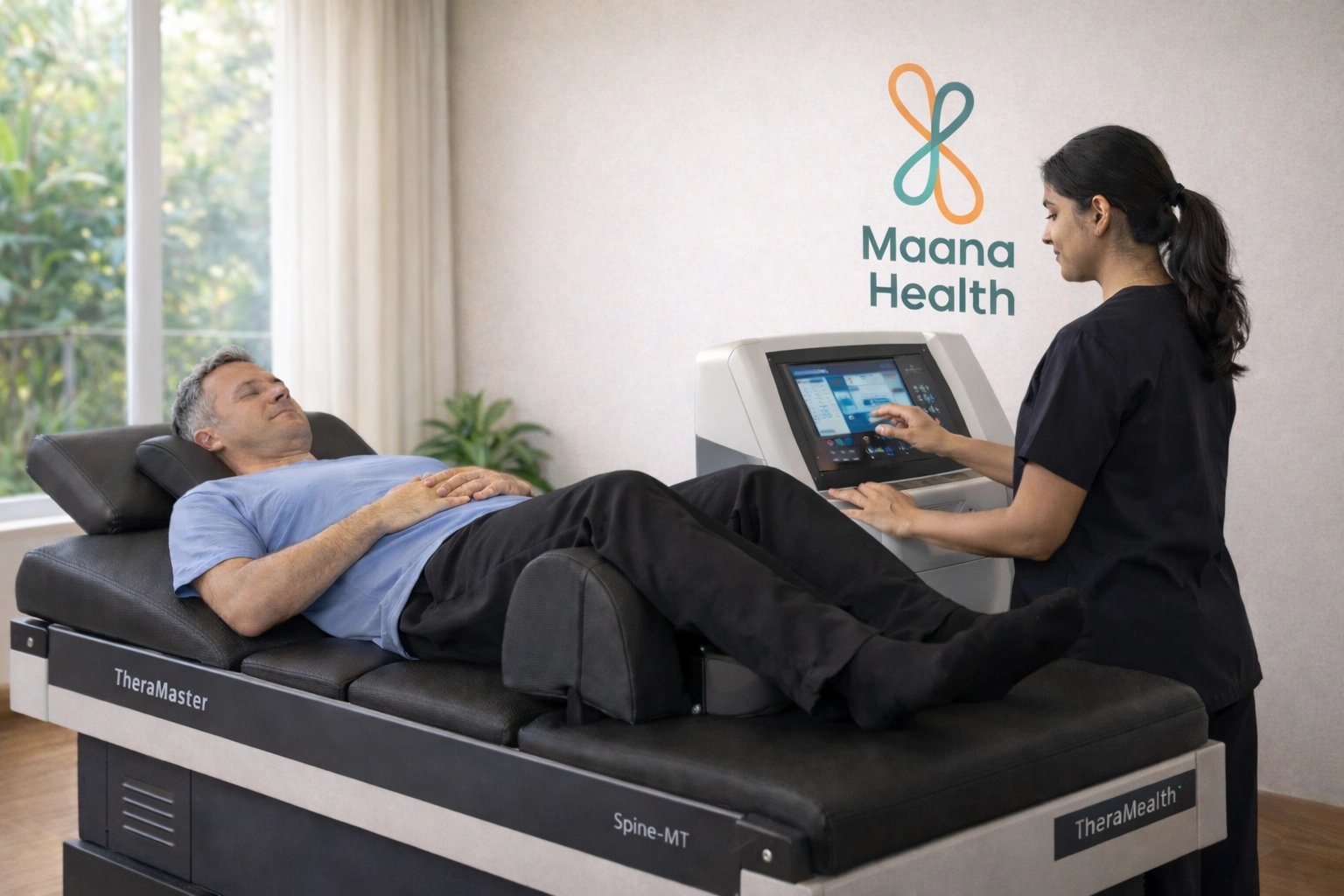
If you’ve been told you have sciatica: a condition where the sciatic nerve is compressed, causing radiating pain down your leg: you’ve likely felt hopeless. Advanced physiotherapy in Perinthalmanna addresses this through non-surgical spinal decompression. This isn't your grandfather’s traction table; it is a highly controlled, computerized process.
At Maana Health, we use FDA and CE-approved technology like the TheraMaster (by Shinhwa Medical) and the KNX-7000 (by Hanmed). These South Korean innovations work by gently creating negative pressure within the spinal discs. This "vacuum effect" helps pull the bulging disc material back into place and allows nutrient-rich fluids to flow back into the disc, promoting natural healing. It’s evidence-based and clinically validated, offering a way to decompress the spine without a single incision.
Is your current treatment only masking the symptoms?
One of the biggest frustrations you might face is the "revolving door" of physical therapy. You go in, you feel a bit better, and two weeks later, you’re back where you started. This usually happens because the treatment is targeting the symptoms: the inflammation or the muscle tightness: rather than the root cause not just symptoms.
Think of your spine like a bridge. If the foundation is shifting, painting the railings won't stop the bridge from collapsing. Advanced physiotherapy focuses on the foundation. Whether it is neck pain or chronic lower back issues, the goal is to identify exactly which segment of your spine is under pressure and why. By using technology that can target specific spinal levels, we ensure that the treatment is as unique as your anatomy.
How does South Korean technology change the recovery process?
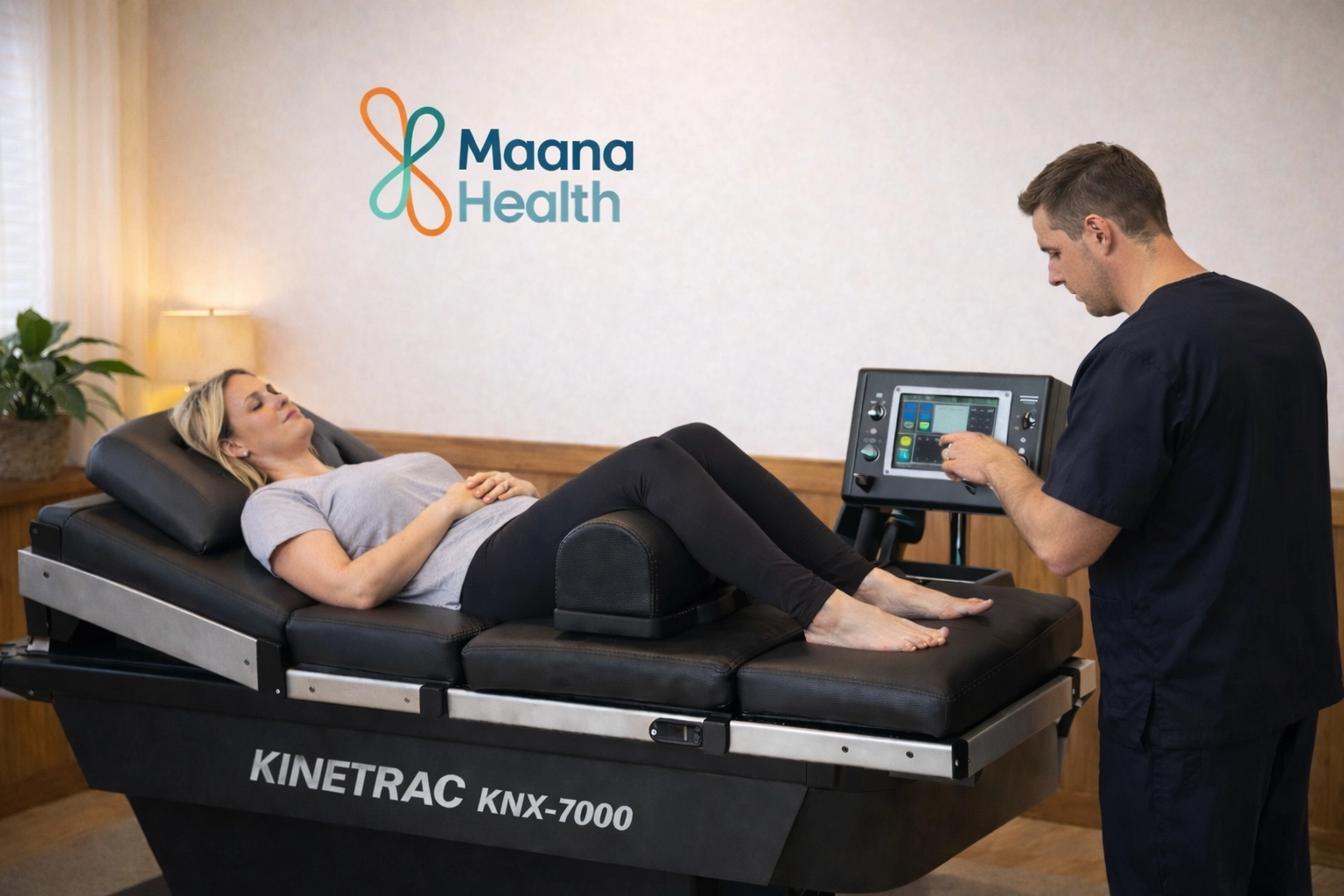
South Korea is a global leader in medical robotics and rehabilitation tech. By bringing machines like the KINETRAC KNX-7000 to Perinthalmanna, we are giving you access to the same level of care you would find in Seoul or New York. The KNX-7000 is particularly impressive because it doesn't just pull the spine; it can perform side-to-side movements and rotations while decompressing.
This multi-axis movement is crucial because your spine doesn't just move in one direction. Most injuries happen during rotation or side-bending. By mimicking these natural movements during therapy, the device can target the deep "multifidus" muscles that support your spine. It’s a non-surgical and no side effects approach that re-educates your body on how to move correctly while relieving pressure on the nerves.
Why have 10,000+ patients trusted this approach?
Experience matters when it comes to your health. Maana Health has reached a milestone of treating 10,000+ patients, and this data gives us a unique perspective on what works for the local population in Kerala. We’ve seen everything from acute sports injuries to degenerative joint issues.
When you become part of this community, you aren't just a number. You receive a personalised treatment protocol. This protocol is built on the collective data of thousands of successful recoveries. We know that a grandmother with osteoporosis requires a completely different intensity of care than a young athlete with back pain. Having a deep library of successful outcomes allows our specialists to predict your recovery path with much higher accuracy.
Can technology replace the human touch in physiotherapy?
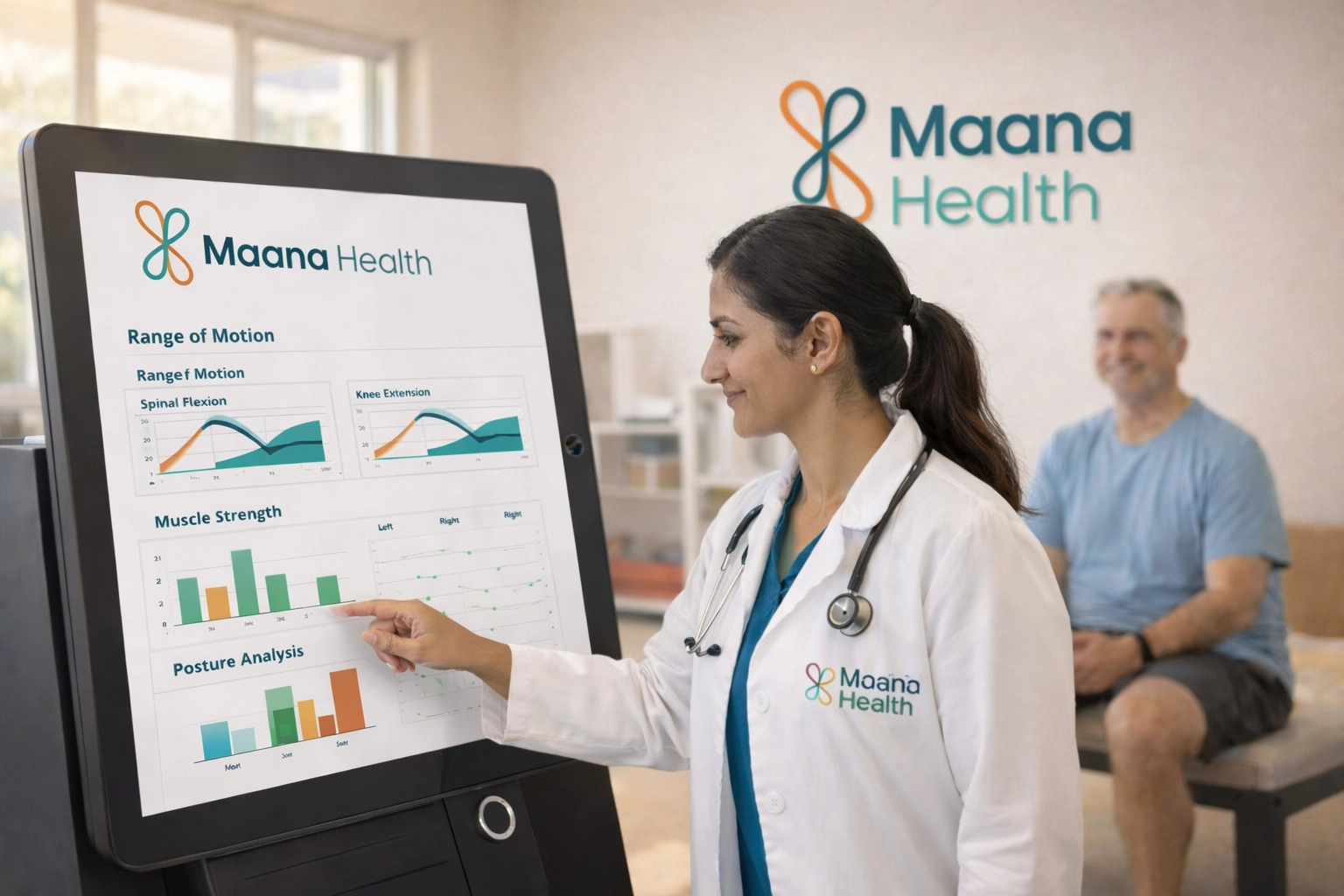
A common misconception is that "advanced" means "robotic and cold." In reality, the technology is a tool that empowers the therapist. While the KNX-7000 handles the mechanical decompression that no human hand could ever achieve with such precision, our physiotherapists provide the guidance, education, and manual assessment needed to ensure you are progressing safely.
In many cases, the technology does the "heavy lifting" by creating space in the joints, which then makes your manual exercises much more effective. If your joint is stuck or compressed, no amount of exercise will fix it. But once the pressure is relieved through decompression, your muscles are finally free to strengthen and support the joint. This synergy is why the results at a modern physiotherapy clinic Perinthalmanna are often so much more sustainable than traditional methods.
What should you expect during your first visit?
Walking into a high-tech clinic can feel a bit intimidating if you don't know what to expect. At Maana Health, we believe in transparency. Your journey starts with a deep-dive assessment. We look at your MRIs (if you have them), test your range of motion, and use diagnostic tools to see how your nerves are firing. We want to understand the "why" behind your neck pain or back stiffness.
Once we have a clear picture, we explain the plan in plain language. You won't hear us promising 100% guaranteed results, because every body is different. Instead, we show you the clinical evidence and explain how the South Korean tech will be used in your specific case. Most patients find the sessions on the decompression tables to be quite relaxing: some even fall asleep because the relief from nerve pressure is so immediate.
Why settle for a quick fix when you can have a long-term solution?
The reason Perinthalmanna is becoming a hub for this kind of care is that you: the patient: are becoming more informed. You know that a painkiller only turns off the alarm; it doesn't put out the fire. You deserve more than just a temporary reprieve from your symptoms. You deserve to play with your grandkids, to walk through the paddy fields without pain, and to sleep through the night without waking up stiff.
By choosing a center that acts as a pioneer in Kerala for non-surgical spinal care, you are choosing a path that respects your body’s natural ability to heal when given the right environment. Whether it's managing tendinitis or a complex herniated disc, the focus remains the same: use the best technology available to get you back to the life you love.
If you are tired of the cycle of temporary relief and are looking for a way to address the actual cause of your discomfort, we invite you to see why so many have made the switch to advanced rehabilitation.
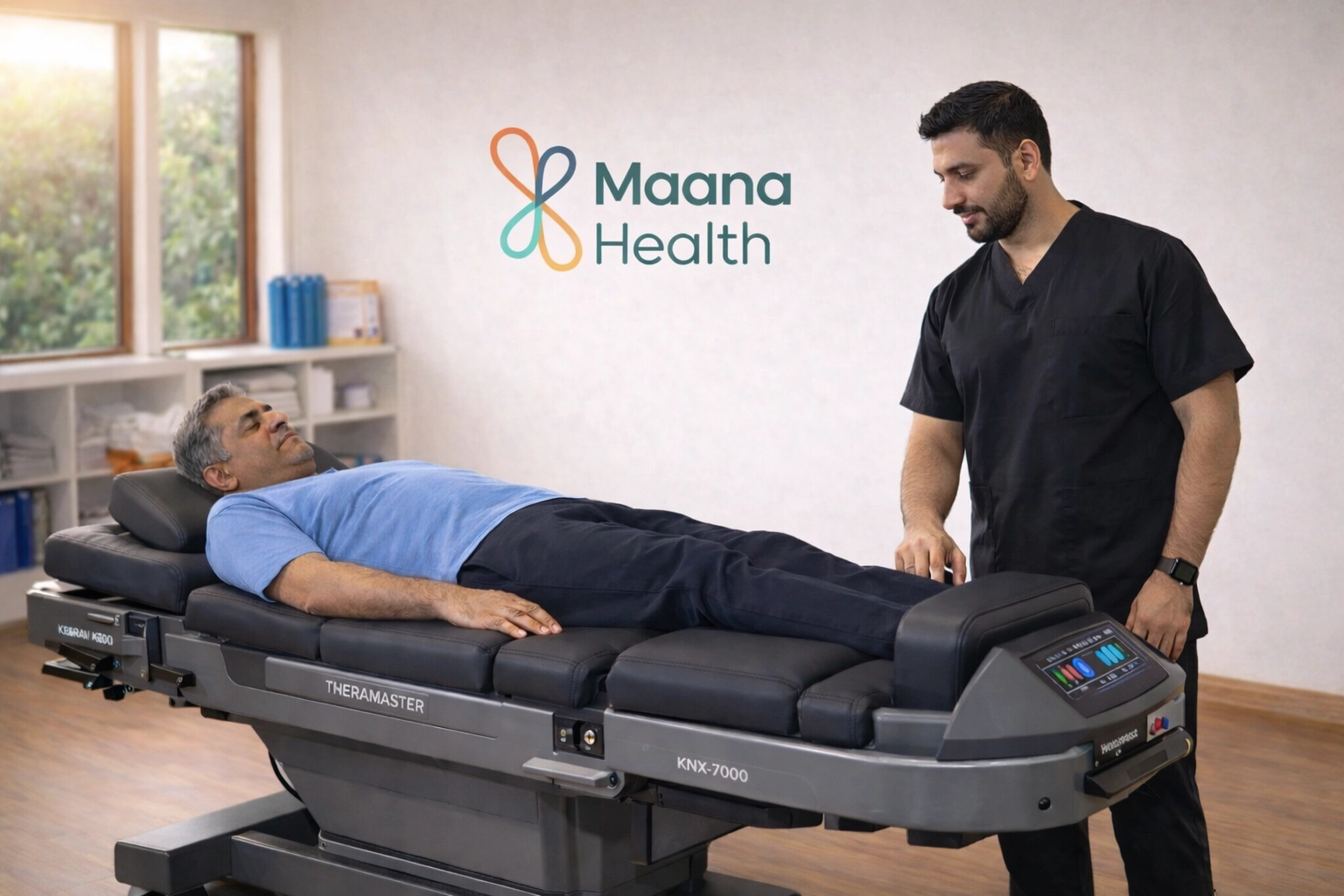
Speak to one of our physiotherapists today to find out if our advanced protocols are the right fit for your journey toward a pain-free life.
Book a free assessment at Maana Health.