
Rheumatoid Arthritis
Symptoms
Symptoms of rheumatoid arthritis may include:
Polyarthritis of small joints of hands
Morning stiffness
Swelling
Deformities
Pain
Weakness
Restricted mobility
Loss of function
Subluxation of MCP joint
Carpal Tunnel Syndrome
Tenosynovitis
Joint Instability
Slow gait and weak grip
Fatigue
Reduced muscular strength
Neurological symptoms e.g., headache, tingling
Causes
The causes of rheumatoid arthritis include:
Gender- Female
Diagnosis
Treatments
It is a chronic and progressive disorder that has no cure. The aim of physical therapy treatment is to improve the symptoms and to provide a better quality of life.
Our Arthritis Wellness & Rehabilitation Program incorporates an advanced modality called Pulsed Cell Repair Therapy (PCRT). PCRT directs a series of electromagnetic impulses through injured tissue. Each pulse induces a tiny electrical signal that stimulates cellular repair, and harnesses the body’s own ability to heal itself. This natural signal promotes the body to repair damaged or worn tissues/cartilages and to maintain healthy and proper functioning of the joint.
Sometimes, as a result of aging, injury or disease, signals that are naturally produced by the body is disturbed. When this occurs, the body is unable to repair the damage itself. This results in pain, inflammation, and loss of proper function in the joint. PCRT is unique in that it mimics the body’s natural signal, activating the normal healing process and stimulates the growth and repair of the damaged tissue.
The treatment session is typically 9 to 12 days, first 9 days should be continuous without interval followed by a 3 to 4 week break before starting muscle strengthening exercises. Because of the regenerative process, patient is advised for rest without any vigorous movements in the joint. If the patient is in pain, we will manage with other electrical modalities and then start with PCRT. After the PCRT sessions, we begin with our strengthening exercise program and lifestyle modifications, which helps the patient to become functionally independent.
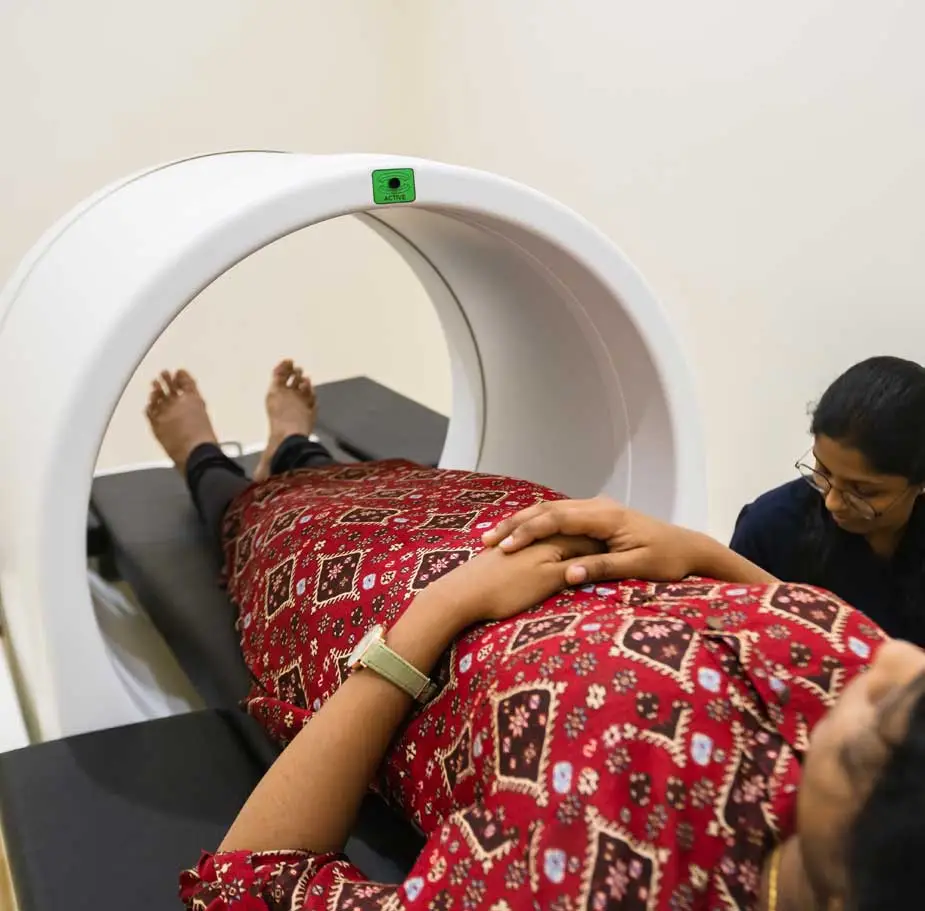
Elements of Arthritis Wellness Program
Pulsed Cell Repair
Hyperbaric Oxygen Therapy
Cryo Therapy
Exercises
Nutrition & Diet Management
Lifestyle Management
Ergonomics Guidance
Get a Quick Reply Here
Office
Monday to Saturday: 8:30am – 6pm
Make A Call Now
Frequently Asked Questions
Can diet affect arthritis? For OA, there is modest evidence that an anti-inflammatory diet rich in omega-3 fatty acids, vegetables, and whole grains reduces systemic inflammation and may slow progression. Weight reduction through dietary change directly reduces joint loading. For RA, diet does not replace medical treatment but an anti-inflammatory diet supports overall disease management.
Is physiotherapy safe during an RA flare? Yes, with modification. During an active flare, physiotherapy focuses on gentle range of motion exercises and pain management. Heavy strengthening is avoided until the flare settles. Your physiotherapist will adjust the program based on your current disease activity.
Can RA be cured? No. RA is a chronic autoimmune disease. With modern DMARDs and biologics, many patients achieve sustained remission, where inflammation is controlled and joint damage stops progressing. Remission is not a cure but it is a clinically meaningful outcome that allows normal or near-normal function.
Does cold weather make arthritis worse? Many patients report increased joint pain and stiffness in cooler, wetter weather. The evidence is mixed but the clinical experience is consistent. Keeping joints warm during Kerala’s cooler months, maintaining exercise, and not reducing activity during weather changes helps manage this.
How do I know if my joint pain is arthritis or something else? Joint pain that persists for more than six weeks, affects multiple joints, or is associated with morning stiffness warrants a medical assessment. Not all joint pain is arthritis. Gout, pseudogout, reactive arthritis, and psoriatic arthritis are all distinct conditions with specific treatments. A blood test and clinical assessment will clarify the diagnosis.