
Chondromalacia Patellae
Symptoms
Symptoms of chondromalacia patellae may include:
Anterior knee pain
Difficulty in daily activities and running, squatting, kneeling, or changing from sitting to standing position
Tenderness on palpating under the medial or lateral border
Crepitation
Minor swelling
Reduced muscle strength
Effusion of synovial joint
Causes
The causes of chondromalacia patellae include:
Diagnosis
Treatments
Patient education is essential to reduce the further complication by proper rest and limiting the movement in affected side. Modalities such as IFT, TENS and Ultrasound are used for pain management.
Our Arthritis Wellness & Rehabilitation Program incorporates an advanced modality called Pulsed Cell Repair Therapy (PCRT). PCRT directs a series of electromagnetic impulses through injured tissue. Each pulse induces a tiny electrical signal that stimulates cellular repair and harnesses the body’s own ability to heal itself. This natural signal promotes the body to repair damaged or worn tissues/cartilages and to maintain healthy and proper functioning of the joint.
Sometimes, because of aging, injury or disease, signals that are naturally produced by the body is disturbed. When this occurs, the body is unable to repair the damage itself. This results in pain, inflammation, and loss of proper function in the joint. PCRT is unique in that it mimics the body’s natural signal, activating the normal healing process and stimulates the growth and repair of the damaged tissue.
The treatment session is typically 9 to 12 days, first 9 days should be continuous without interval. Because of the regenerative process, patient is advised for rest without any vigorous movements in the joint. If the patient is in pain, we will manage with other electrical modalities and then start with PCRT. After the PCRT sessions, we begin with our muscle strengthening exercises and lifestyle modifications, approximately 3 to 4 weeks after completing the PCRT sessions, which helps the patient become functionally independent. Proper knee rehab program in step wise is needed after PCRT for the complete recovery from chondromalacia patella.
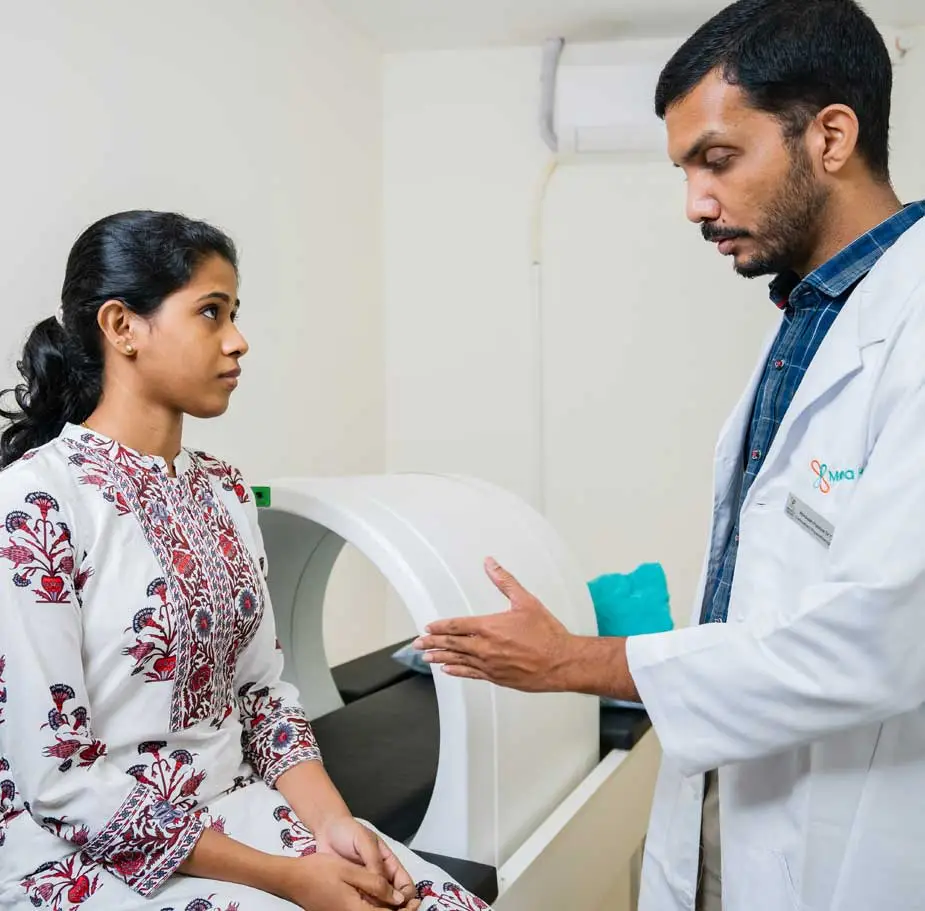
Elements of Arthritis Wellness Program
Pulsed Cell Repair
Hyperbaric Oxygen Therapy
Cryo Therapy
Exercises
Nutrition & Diet Management
Lifestyle Management
Ergonomics Guidance
Get a Quick Reply Here
Office
Monday to Saturday: 8:30am – 6pm
Make A Call Now
Frequently Asked Questions
What are the symptoms of chondromalacia patellae? Anterior knee pain, difficulty with running, squatting, kneeling or standing up from sitting, tenderness at the kneecap border, crepitation, mild swelling, and reduced muscle strength.
What causes chondromalacia patellae? Causes include weakness of the vastus medialis muscle, an abnormal Q-angle, muscular tightness in the thigh and calf, excessive foot pronation, patella alta, and repetitive microtrauma.
How is chondromalacia patellae diagnosed? Knee X-rays, arthroscopy and MRI can confirm the condition, alongside a physiotherapy assessment with special tests.
How is chondromalacia patellae treated non-surgically? Treatment includes rest, IFT/TENS/ultrasound for pain management, and Pulsed Cell Repair Therapy (PCRT) to support cartilage and tissue repair, aiming to avoid surgery.