
Did you know that nearly 90% of people who are told they need spine surgery for a disc bulge might actually find relief without ever stepping into an operating room? It is a startling statistic that challenges the common belief that the “knife” is the only way to fix a “bad back.” When you are struggling with a disc bulge, the pain isn’t just physical: it is the fear of losing your mobility and the anxiety of a risky surgical procedure.
You might have been told that your spine is “bone on bone” or that your disc is “leaking.” These terms sound scary, but in many cases, your body has a remarkable ability to heal if given the right mechanical environment. The choice between surgery and non-surgical decompression isn’t just about pain relief; it is about choosing the path that respects your body’s natural structure.
What actually happens when a disc bulges in your spine?
To understand your options, you first need to understand what is happening inside your back. Your spinal discs act as shock absorbers between your vertebrae. A disc bulge occurs when the soft, jelly-like center of the disc pushes against its outer layer, causing it to swell outward.
This swelling can lead to spinal stenosis: a narrowing of the spinal canal that compresses the nerves passing through it. When a nerve is “pinched,” you don’t just feel pain in your back. You might feel a sharp, electric sensation shooting down your leg, commonly known as sciatica.
While surgery aims to physically cut away the part of the disc that is pressing on the nerve, it doesn’t address why the disc bulged in the first place. This is where evidence-based non-surgical decompression takes a different approach. Instead of removing tissue, it focuses on the root cause not just symptoms by creating the space your disc needs to retract naturally.
Is surgery really the “permanent” fix you’ve been promised?
Many people opt for surgery because they want a “quick fix.” However, clinical evidence suggests that the long-term outcomes of spine surgery are often comparable to conservative, non-surgical treatments after just two years. Surgery is a major intervention that involves anesthesia, incisions, and often the removal of bone or ligament.
One of the biggest risks of surgery is what doctors call “Adjacent Segment Disease.” When a segment of your spine is fused or altered, the joints above and below have to work harder to compensate. This often leads to accelerated degeneration in those areas, potentially leading to more surgeries down the line.
Furthermore, the recovery time for surgery is significant. You could be looking at weeks of bed rest and months of restricted activity. For many, the risk of “Failed Back Surgery Syndrome”: where the pain persists or even worsens after the procedure: is a reality they aren’t prepared for.
How does non-surgical decompression create a “vacuum effect” for healing?
If you are looking for a physiotherapy clinic in Kochi that offers an alternative, non-surgical spinal decompression is likely what you need. Unlike standard traction, which can cause your muscles to tense up and resist the pull, advanced decompression technology uses computer-controlled sensors to bypass your body’s muscle guarding response.
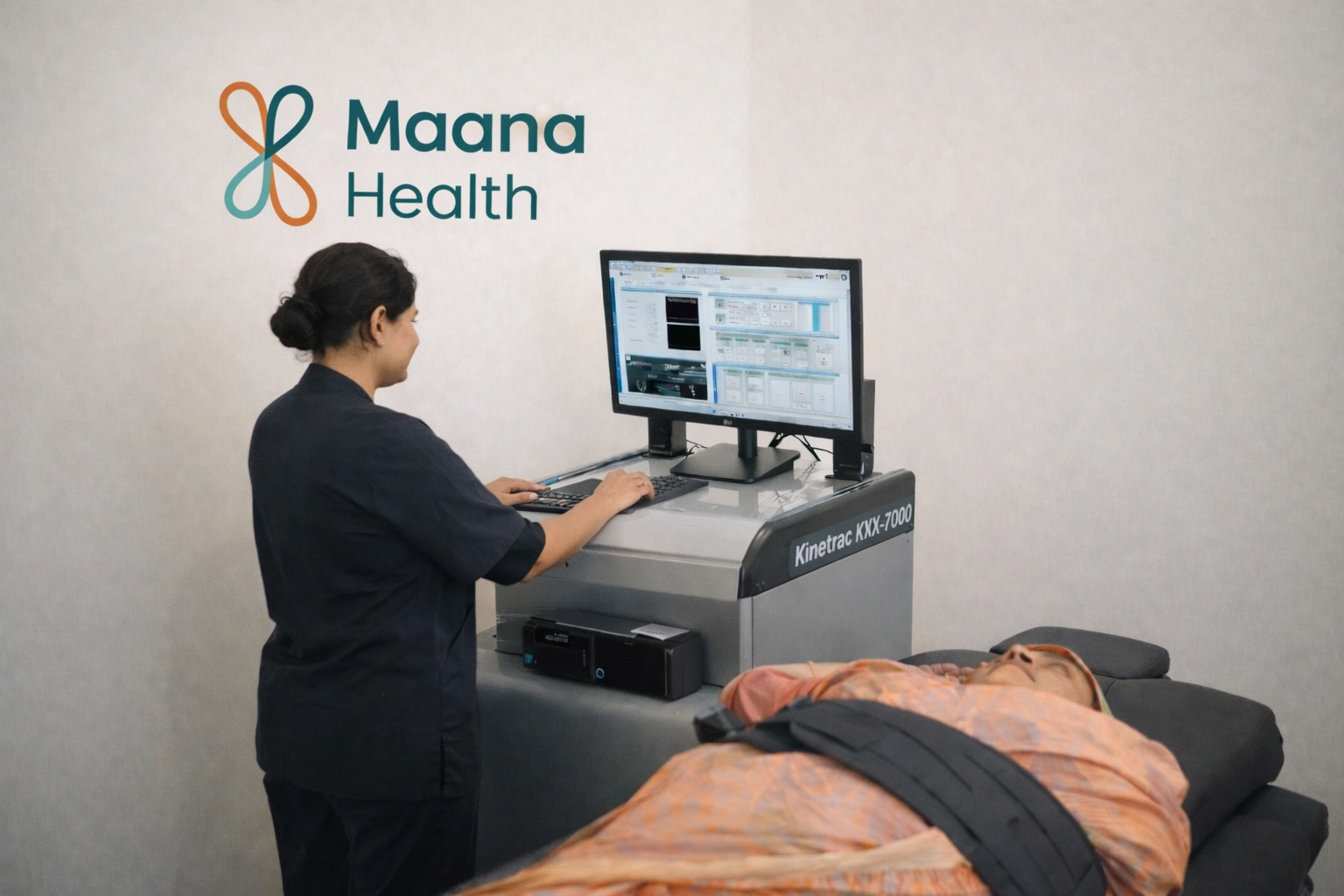
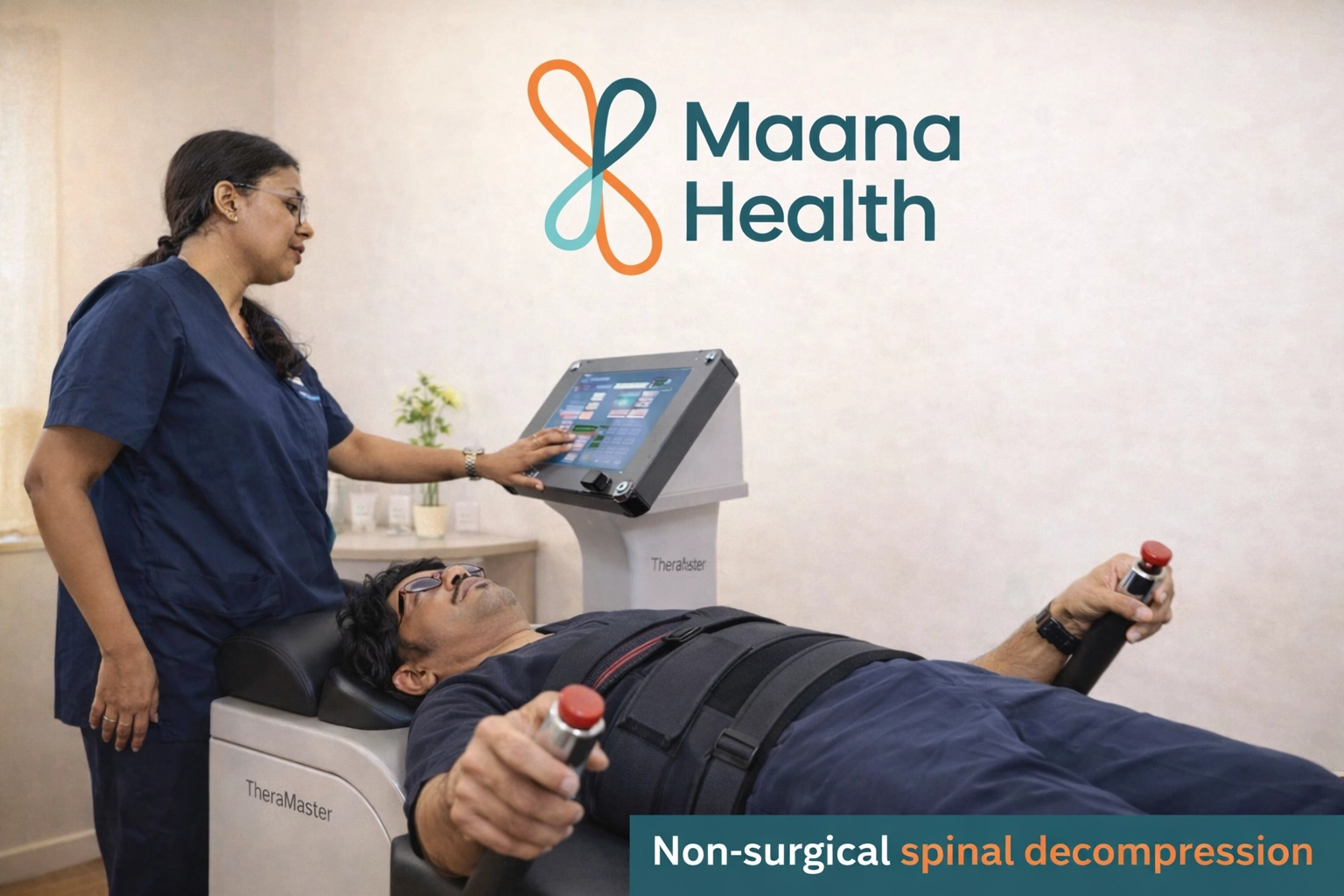
Using high-precision equipment from South Korea, such as the TheraMaster by Shinhwa Medical and the Kinetrac KNX-7000 by Hanmed, the treatment gently stretches the spine. This stretching creates negative intradiscal pressure: essentially a vacuum effect inside the disc.
This vacuum does two vital things:
- It helps pull the bulging or herniated disc material back into the center of the disc, away from the sensitive nerves.
- It encourages the flow of nutrient-rich fluids and oxygen back into the disc, which is essential for long-term healing since discs have a very poor blood supply on their own.
Why is South Korean technology the gold standard for your spine?
At Maana Health, we have seen that the most effective way to treat complex disc issues is through specialized, technology-led rehabilitation. This is why we have brought the most advanced systems from South Korea to our Kochi clinic.
The Kinetrac KNX-7000 is a pioneer in Kerala for its ability to provide 3D decompression. Most older systems only pull in one direction, but the KNX-7000 can adjust the angle of decompression to target the specific disc level that is causing your pain. This precision ensures that we are treating the exact source of your discomfort.
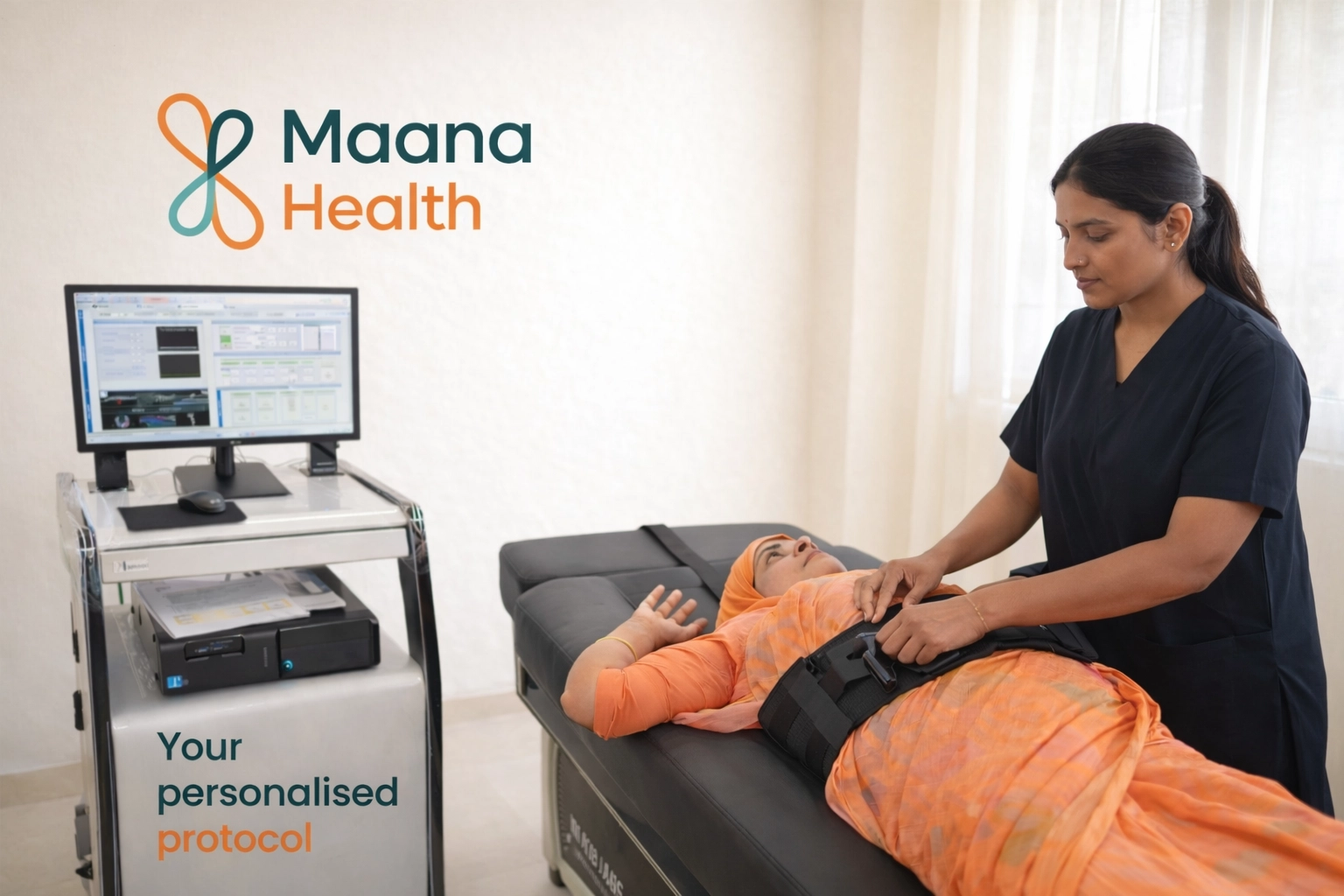
Similarly, the TheraMaster system allows for targeted decompression while you remain in a comfortable, relaxed position. These machines are FDA and CE-approved, reflecting a level of safety and engineering that standard physiotherapy equipment simply cannot match. When you use this level of technology, the treatment is not just “stretching”: it is a sophisticated, personalized treatment protocol designed for your unique spinal curve.
What should you expect during a non-surgical decompression session?
One of the biggest advantages of this approach is that there are no side effects and absolutely no pain during the treatment. In fact, many of our patients find the sessions so relaxing that they fall asleep.
When you arrive at our clinic, a therapist will secure you comfortably onto the decompression table using specialized harnesses. As the machine begins its precise cycles of tension and relaxation, you will feel a gentle pull in your spine. There are no needles, no medications, and no invasive maneuvers.
A typical session lasts about 20 to 30 minutes. Because it is non-invasive, you can walk out of the clinic and continue with your day immediately. There is no downtime, which means you don’t have to put your life on hold to get better. With a 96% patient satisfaction rate and over 10,000+ patients treated across our programs, the data speaks for itself.
Does every disc bulge require the same treatment?
Your spine is as unique as your fingerprint. A treatment that works for sciatica might need to be adjusted if you are also dealing with neck pain. This is why a “one-size-fits-all” exercise sheet is rarely enough to fix a chronic disc bulge.
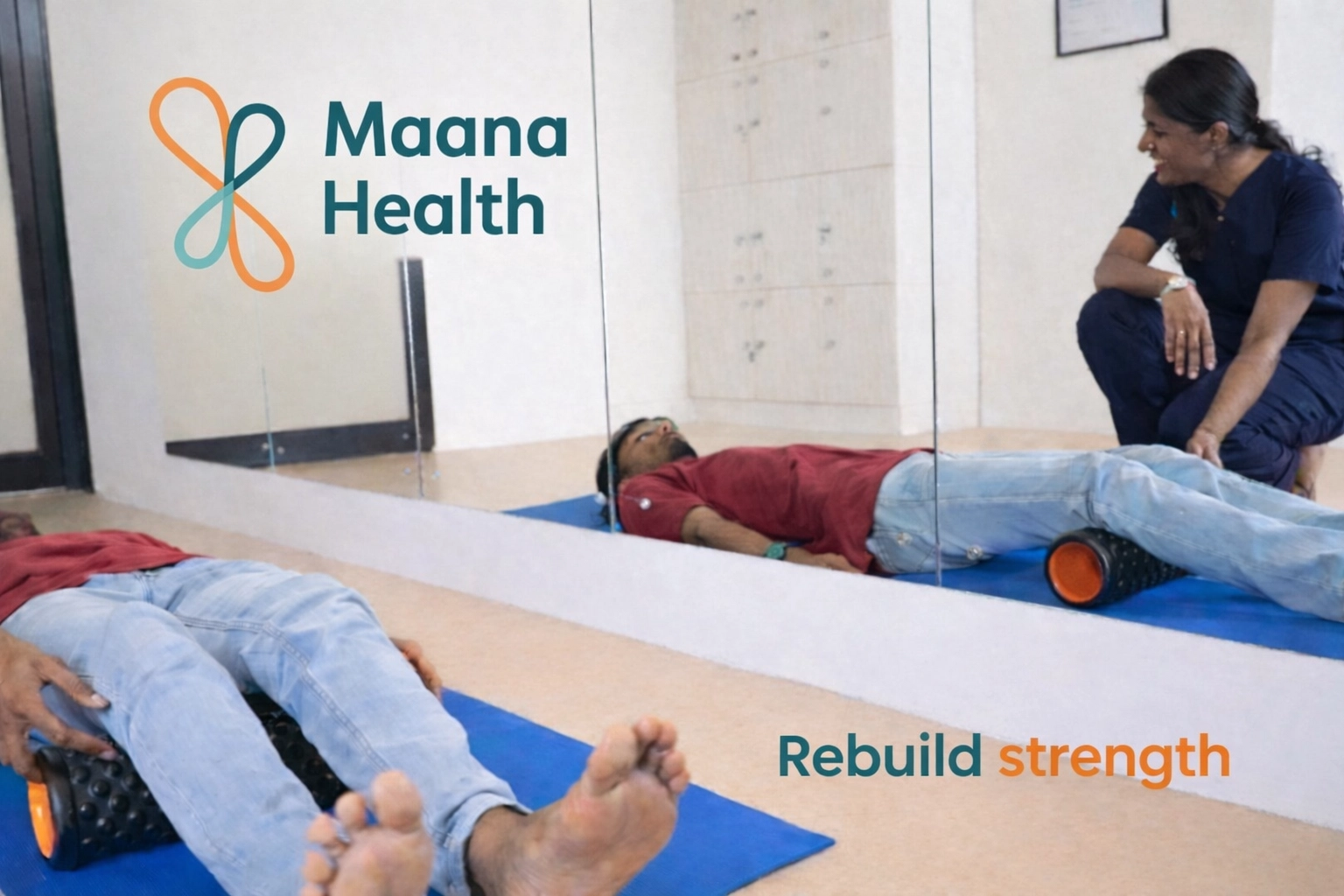
During your assessment, we look at your movement patterns, your imaging (like MRIs), and your lifestyle. Non-surgical decompression is most effective when it is part of a broader spinal wellness program. This might include gentle myofascial release or specific strengthening exercises to ensure that once the disc is healed, your muscles are strong enough to keep it in place.
We focus on giving you more healthy years of life by teaching you how to move in ways that protect your spine. This holistic approach ensures we aren’t just masking the pain but building a resilient body.
Is non-surgical decompression right for you?
While non-surgical decompression is a powerful tool, it isn’t for everyone. If you are experiencing “red flag” symptoms: such as a sudden loss of bowel or bladder control or progressive weakness in your legs: surgery may indeed be necessary. However, for the vast majority of people with chronic back pain, lower back pain symptoms, or a diagnosed disc bulge, this technology offers a safe and highly effective alternative.
If you have tried rest, injections, or traditional physiotherapy without success, do not lose hope. Many of the 10,000+ patients we have treated came to us as a “last resort” before surgery, only to find that their bodies were capable of healing once the pressure was removed from their nerves.
Choosing spine treatment without surgery means choosing a path that preserves your anatomy and avoids the risks of a hospital stay. You deserve to live without the constant shadow of back pain hanging over your daily life.
If you are tired of the “wait and watch” approach or are feeling pressured into a surgery you aren’t sure about, it might be time to explore what advanced technology can do for you.
Speak to one of our physiotherapists to see if our non-surgical protocols are the right fit for your recovery.