
Have you ever wondered why, even after weeks of heat pads and basic stretching exercises, your chronic back pain or stiff knee keeps coming back? It is a common frustration. Most people are led to believe physiotherapy is a repetitive cycle of “wait and see” combined with temporary relief methods. But if you are looking for physiotherapy in Kochi, you deserve a safer, more evidence-based standard of care.
One of the clearest indicators of that standard is this: the technology being used is US FDA and European CE approved. These approvals don’t mean “magic results,” but they do signal that the device has been evaluated against rigorous safety and quality expectations, and that its intended clinical use is supported by evidence.
That matters because the reason many traditional treatments stall is that they only touch the surface. To truly fix a problem, you have to address the root cause — not just symptoms. At Maana Health, your treatment plan is built around non-surgical, FDA and CE-approved technology paired with targeted exercises, nutritional guidance, and lifestyle modification, so the rehab you do is both precise and clinically grounded.
To support this, we’ve curated a specialised suite of devices used widely in advanced rehab settings internationally — including systems manufactured in Italy, Poland, Argentina, and South Korea — so you can access globally benchmarked standards right here in Kochi.
Why does traditional physiotherapy sometimes fall short?
If you have been visiting clinics for months without significant progress, it’s usually because the treatment isn’t reaching the “cellular level.” Traditional methods often focus on manual mobilization or simple thermal packs. While these have their place, they often cannot trigger the biological repair needed for long-term healing in conditions like sciatica or advanced osteoarthritis.
Clinical evidence suggests that for the body to repair damaged tissue, it needs specific stimuli: whether that is increased oxygen, precise electrical signals, or controlled thermal shocks. This is where global technology changes the game. By moving beyond manual limits, we can target deep-seated inflammation and degenerative changes that a pair of hands alone cannot reach.
Can breathing pure oxygen really speed up your recovery?
One of the most remarkable additions to our Kochi clinic is our Hyperbaric Oxygen Therapy (HBOT) system — a modality that is widely used in advanced rehabilitation settings and delivered using US FDA / European CE approved equipment standards. You might have heard of HBOT in the context of deep-sea divers, but its application in physical rehabilitation can be a real game changer in selected cases.
HBOT involves you breathing high concentrations of oxygen while inside a pressurised chamber. Under these conditions, oxygen dissolves more effectively into your blood plasma, helping it reach areas where circulation may be restricted due to injury or swelling. Clinical evidence suggests this can support tissue repair by improving oxygen availability and can help reduce inflammation in many patients. Whether you are recovering from a sports injury or looking for a boost in spinal wellness, HBOT is one of the ways your recovery can be supported at a deeper, cellular level.
(For context, some HBOT systems used globally are manufactured in Argentina — but what matters most for you is that the equipment and protocols follow the safety and efficacy standards you’d expect from FDA and CE-approved technology.)
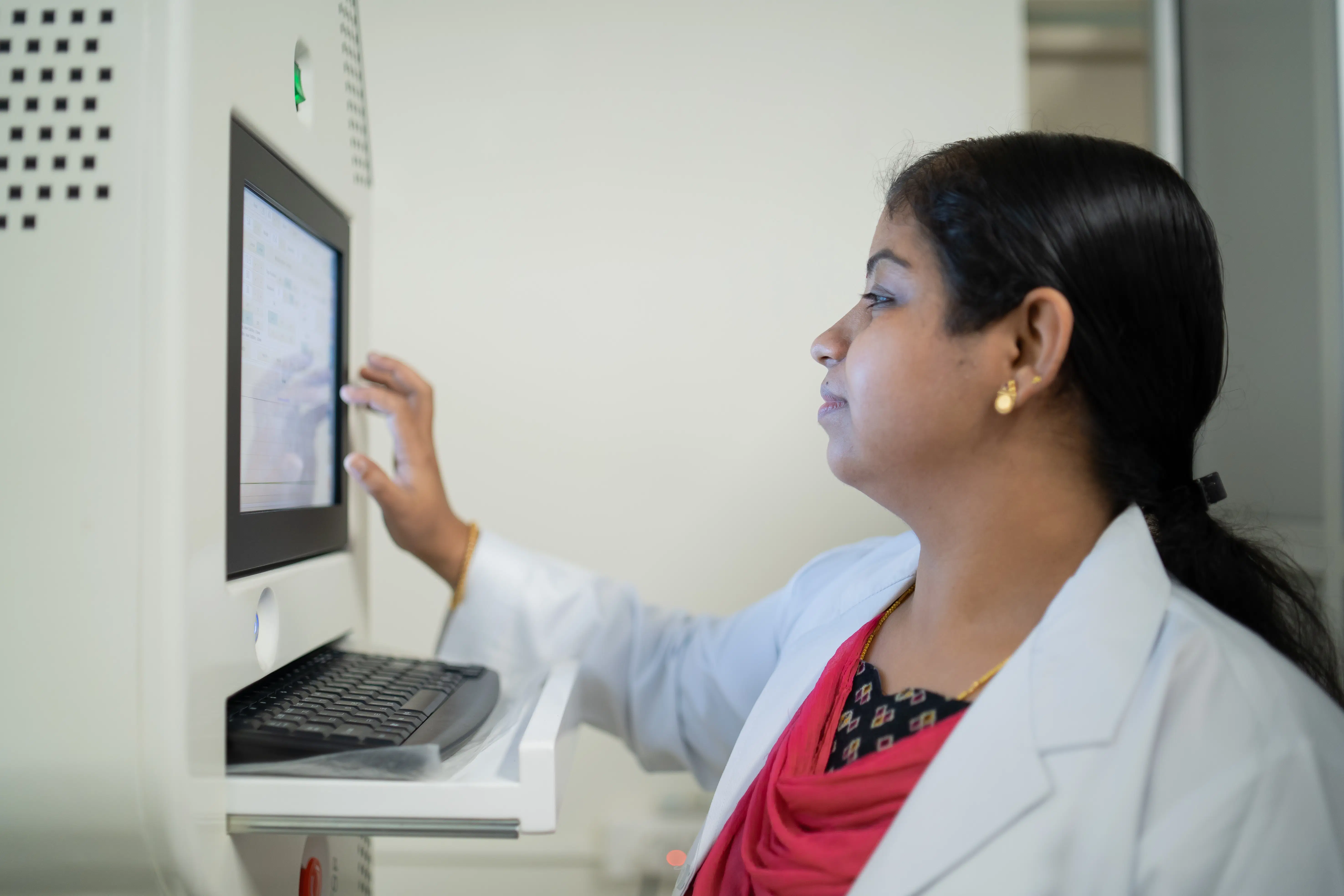
What is the secret to healing joints without surgery?
If you are dealing with joint degeneration, you may have been told that “wear and tear” is just part of aging. In many cases, that’s an oversimplification. What often decides how well you recover is whether your treatment can create the right biological stimulus for repair — safely.
That’s where FDA and CE-approved technology matters. At Maana Health, we use clinically validated, non-invasive modalities like Pulsed Signal Therapy (PST), which is designed for bone and cartilage-related issues and is commonly used in conservative arthritis care pathways. (Some PST systems used in advanced rehab clinics are manufactured in Poland — but again, the more important point is the FDA/CE-level safety and quality standards behind the device and its intended clinical use.)
PST works by mimicking the natural electrical signals your body produces when you move. When a joint is injured or affected by arthritis, these signals can be disrupted, and cartilage repair can slow down. The PST machine sends these precise signals back into the joint, “reminding” the cells to restart repair activity. It’s a pain-free, non-surgical approach that focuses on root cause not just symptoms — without simply masking pain with medication. And it sets you up for the next step: rebuilding movement with the right loading and exercise.
How do FDA & CE-approved modalities tackle stubborn inflammation?
When you’re dealing with acute pain or stubborn inflammation, the “right” stimulus matters — and so does safety. This is exactly where FDA and CE-approved technology becomes relevant: it’s designed to deliver controlled, measurable inputs to your tissues, not guesswork.
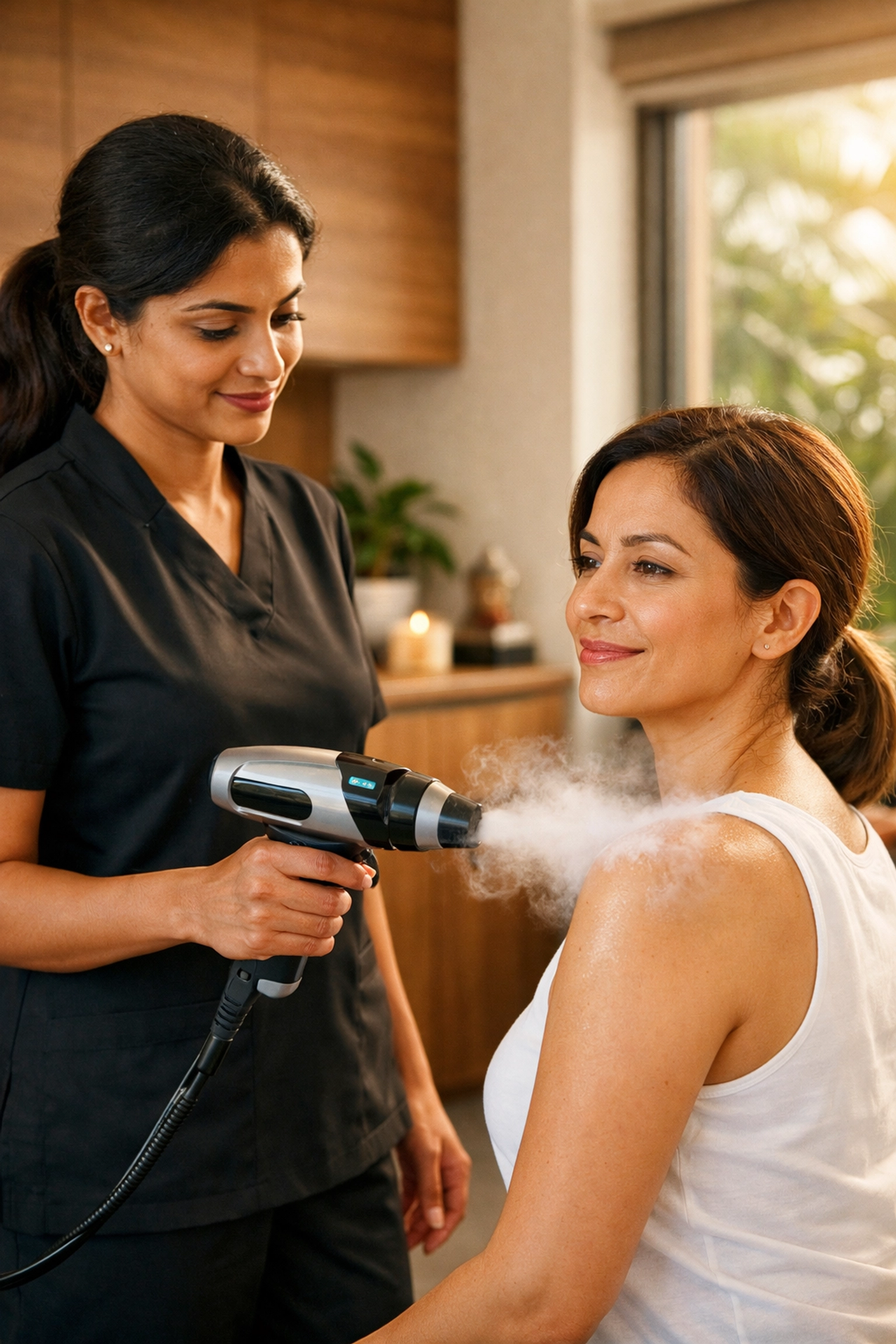
At our Kochi facility, we use localised cryotherapy — delivered through devices built to FDA/CE-level safety standards — to apply controlled, extreme cold in a precise way. Unlike a simple ice pack, localised cryotherapy triggers “vasoconstriction” (narrowing of blood vessels) followed by “vasodilation” (widening of blood vessels). This controlled thermal shift can help calm pain, reduce swelling, and improve local circulation for conditions like tendinitis or acute muscle injuries.
Alongside this, we use Extracorporeal Shockwave Therapy (ESWT), another evidence-based modality delivered using FDA and CE-approved systems. ESWT sends high-energy acoustic waves into tissue to support healing responses and can help in chronic conditions where tendons and fascia have stopped healing normally, such as plantar fasciitis or frozen shoulder.
(Yes, many of the cryotherapy and ESWT systems used in advanced rehab are manufactured in countries like Italy — but the point you should care about is that the tech meets rigorous FDA/CE standards for clinical use.)
Why is specialised spinal decompression different from a regular stretch?
If you’re dealing with back pain or a herniated disc, the goal is often to “take the pressure off” the irritated structures — without creating new strain. Traditional traction can be broad and non-specific. In contrast, automated spinal decompression is designed to be controlled, measurable, and targeted.
At Maana Health Kochi, you can access FDA and CE-approved spinal decompression technology such as the TheraMaster (by Shinhwa Medical) and the KNX-7000 (by Hanmed). These systems are manufactured in South Korea and are used in evidence-based conservative spine rehab pathways.
These devices use software-guided protocols to target a specific vertebral level. By creating a gentle, oscillating negative pressure within the disc space, they can help reduce disc pressure and improve fluid and nutrient exchange around the affected area. This isn’t “just a stretch.” In many cases, it’s a clinically validated, non-surgical method used to support disc-related pain — and it sets you up to stabilise your spine with the right rehab exercises next.
Can you retrain your muscles while standing still?
Recovery isn’t just about calming pain; it’s about rebuilding strength and control so the problem doesn’t keep returning. This is where EMS (Electro Muscle Stimulation) can help, when used appropriately and safely.
At Maana Health, EMS is delivered using clinically validated protocols and FDA and CE-approved technology standards, so the electrical stimulation you receive is controlled and predictable. Many patients find it hard to exercise properly at first because joint pain, weakness, or fear of movement keeps you guarded. EMS allows you to activate a large percentage of muscle fibres using low-frequency electrical impulses while you perform gentle, guided movements.
That means you can work on “neuromuscular re-education” (teaching your brain and muscles to coordinate again) with less joint stress — especially helpful in post-stroke recovery, elderly wellness, and early-stage strengthening when full-load exercises aren’t comfortable yet. And once your control improves, your personalised treatment protocol can progress to more active rehab.
Is this FDA & CE-approved approach right for you?
With 10,000+ patients treated, Maana Health has seen a consistent pattern: when your rehab is built on evidence-based clinical reasoning and delivered using FDA and CE-approved technology, you’re more likely to get a clearer diagnosis pathway, safer treatment delivery, and progress you can actually measure. That’s why we’re a pioneer in Kerala for a tech-led, non-surgical approach that focuses on root cause not just symptoms.
Whether you’re an athlete in Kochi aiming to return to sport, or you simply want to climb stairs and sleep better without constant flare-ups, the real value of FDA and CE-approved technology is confidence: the modality being used meets internationally recognised safety and quality standards, and it’s applied within a personalised treatment protocol, not a one-size-fits-all routine.
If you’re tired of temporary fixes, you can explore what this kind of conservative, clinically validated care looks like at our Kochi centre:
https://maanahealth.com/maana-spine-joint-wellness-clinic-premier-care-in-kochi/
Speak to one of our physiotherapists today.