
Have you ever wondered why that nagging back pain or stiff knee seems to vanish after a few days of rest or a quick pill, only to come roaring back the moment you return to your normal life? If you have spent months: or even years: cycling through different types of physiotherapy in Kochi only to find that your relief is temporary, you are likely caught in the trap of symptom suppression.
Most traditional approaches to pain management focus on “turning off the alarm.” But if your house is on fire, simply removing the batteries from the smoke detector doesn’t save the building. You deserve a solution that finds the fire, puts it out, and ensures the structure is strong enough to never catch flame again. That is the difference between simply feeling better for a day and actually healing for a lifetime.
Why does your pain keep coming back?
When you experience pain, your body is sending a sophisticated signal that something is wrong. In many clinical settings, the immediate goal is to reduce that pain as quickly as possible. This is symptom suppression. It might involve heat packs, basic massage, or even medications that dull the nerves. While these might make you feel more comfortable in the short term, they rarely address the reason the pain started in the first place.
At Maana Health, we believe that if the underlying cause isn’t addressed, your body will continue to compensate. This compensation often leads to more severe issues down the line. For example, a minor herniated disc in your lower back might cause you to change the way you walk. Over time, this shift puts undue stress on your hips or knees, eventually leading to secondary pain in areas that were originally perfectly healthy.
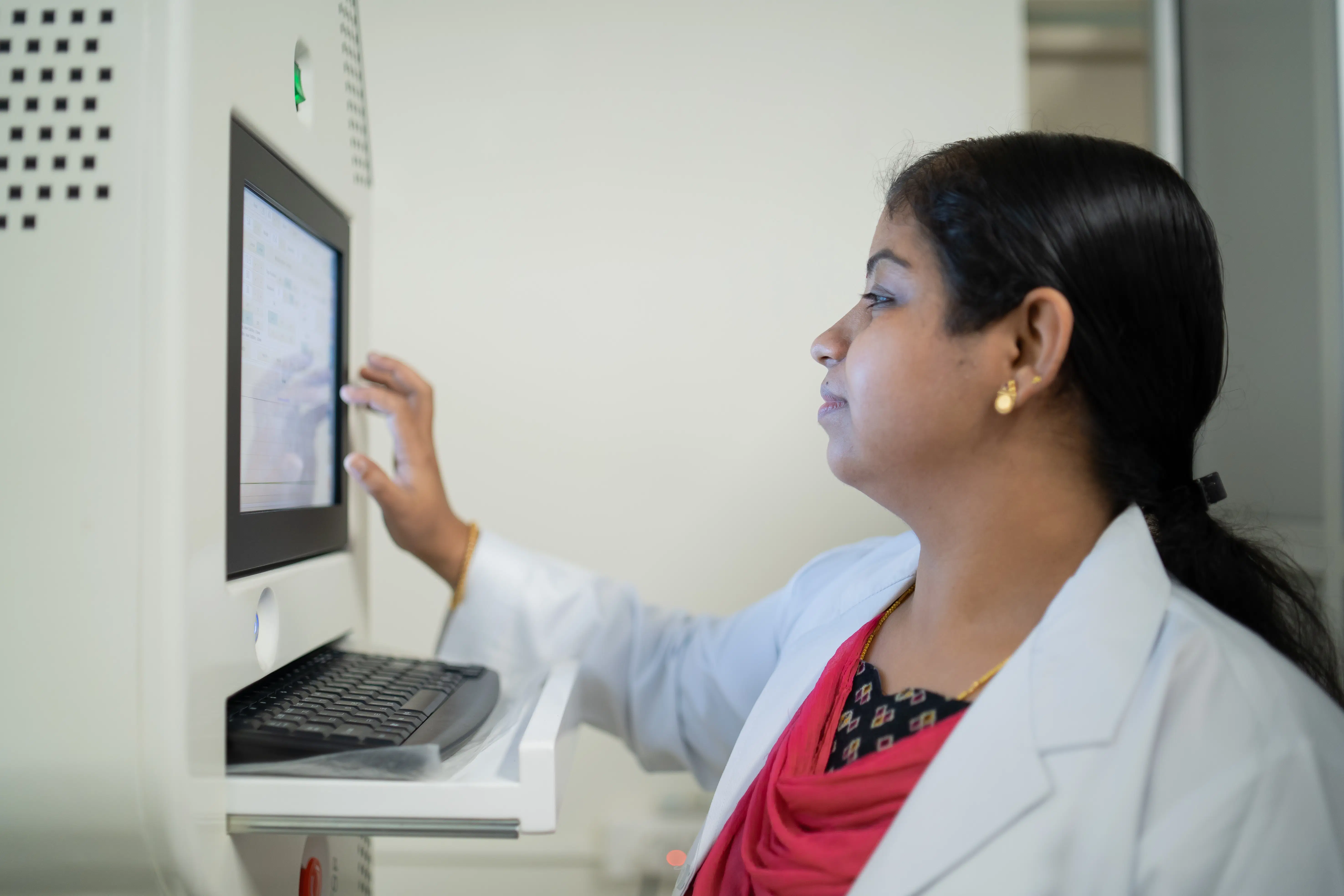
Is your treatment “turning off the alarm” or putting out the fire?
To understand the difference between these two approaches, we have to look at how the body functions as a whole. In the world of clinical rehabilitation, we call this the kinetic chain. This principle suggests that your body is a series of interconnected links. If one link is weak or misaligned, the entire chain suffers.
If you search for physiotherapy in Kochi, you will find many clinics that treat the “site” of the pain. If your neck hurts, they treat your neck. However, evidence-based clinical practice shows that neck pain is often the result of poor thoracic (upper back) mobility or even a pelvic tilt that has forced your spine out of alignment.
Root-cause healing involves a deep dive into your biomechanics. It requires advanced non-invasive evaluation to see exactly where the mechanical failure is happening. By correcting the source: the root cause: we stop the cycle of recurring pain and prevent the “cascading complications” that occur when a problem is allowed to worsen under the cover of painkillers.
The science of non-surgical spinal care
For many patients in Kerala, the word “physiotherapy” brings to mind simple exercises or manual stretching. While these have their place, modern clinical technology has moved far beyond these basics. At our Kochi clinic, we use advanced, US FDA and European CE-approved technologies that are specifically designed for root-cause healing of the spine and joints.
Two of our most effective tools for non-surgical recovery are the KNX-7000 and the TheraMaster. Both of these devices are manufactured by leading medical engineering firms in South Korea (Hanmed and Shinhwa Medical, respectively).

How do these differ from traditional traction or massage?
- Precision: These machines use computer-controlled sensors to target specific spinal segments.
- Decompression: Unlike simple stretching, spinal decompression creates a negative pressure within the disc. This “vacuum effect” helps to draw back bulging or herniated material and encourages the flow of nutrient-rich fluids into the disc to promote natural healing.
- Non-Invasive: This approach allows us to treat conditions like sciatica or degenerative disc disease without the risks associated with surgery or the side effects of long-term medication.
Why “suppressing” symptoms can actually make you worse
It might sound counterintuitive, but only focusing on pain relief can sometimes be detrimental. When you suppress a symptom without fixing the cause, two things happen:
- Structural Worsening: Because you can no longer feel the “warning signal,” you might continue to engage in movements that are actively damaging your tissues. A bulging disc can easily turn into a full rupture if the mechanical pressure isn’t relieved.
- Central Sensitization: Clinical evidence suggests that when pain signals are allowed to persist for a long time (even if they are muffled by medication), your nervous system can become hypersensitive. This means your brain starts to produce pain even when there is no immediate injury: a state that is much harder to treat later on.
By choosing a path that prioritizes root-cause healing, you are protecting your nervous system and your long-term mobility. Whether you are dealing with spondylosis or chronic hip pain, the goal should always be a return to functional health, not just a quiet nervous system.
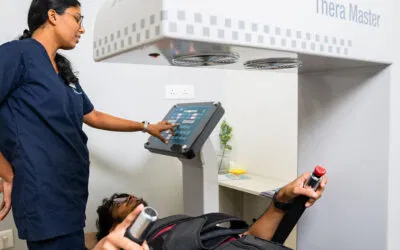
What does a personalized treatment protocol look like?
At Maana Health, we don’t believe in “one-size-fits-all” physiotherapy. Your body, your injury, and your lifestyle are unique. This is why our process starts with a comprehensive assessment that goes beyond a physical exam.
When you visit us for physiotherapy in Kochi, your protocol might include:
- Advanced Diagnostics: Using non-invasive digital tools to map your spinal alignment and muscle balance.
- Targeted Decompression: Using the KNX-7000 or TheraMaster to address structural disc issues.
- Active Rehabilitation: Once the mechanical pressure is relieved, we move to evidence-based exercise therapy. This isn’t just “going to the gym”: it is a focused effort to strengthen the specific muscles that support your joints.
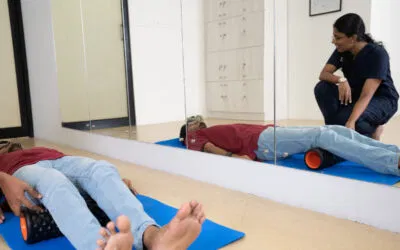
This combination of advanced technology and supervised rehabilitation ensures that the results we achieve are sustainable. We have treated over 10,000 patients using these methods, helping them avoid surgery and regain more healthy years of life.
Is it time to change your approach?
If you are tired of the cycle of “feel better, then get worse,” it is time to ask different questions of your healthcare provider. Instead of asking “How can we stop the pain today?”, ask “Why is this pain happening, and how do we fix it for good?”
Choosing the right physiotherapy in Kochi means choosing a partner who is committed to your long-term wellness. You deserve to walk, play with your children, and work without the constant shadow of chronic pain. Root-cause healing isn’t just a clinical philosophy; it is a commitment to your quality of life.
If you are ready to stop suppressing your symptoms and start your journey toward true recovery, we invite you to take the first step.
Speak to one of our physiotherapists today to book your free assessment.