
Are you waiting for your back pain to simply “go away” on its own, or are you accidentally making it worse every single day?
Most people in Perinthalmanna who struggle with chronic back pain believe they have only two options: live with the agony or go under the knife for a risky surgery. This is a common misconception that keeps thousands of people from finding real relief. In many cases, the way you are currently managing your pain might be the very reason it refuses to heal.
At Maana Spine, Joint & Wellness Clinic, Perinthalmanna, we see patients every day who have tried everything from balm to bed rest, only to find their condition worsening. The truth is, chronic pain often requires a shift in strategy: one that moves away from temporary fixes and toward an evidence-based, technology-led approach that addresses the root cause not just symptoms.
Is prolonged bed rest actually damaging your spine?
When your back starts to ache, your first instinct is likely to lie down. You might think that by staying still, you are giving your spine a chance to heal. However, clinical evidence suggests that prolonged inactivity is one of the biggest mistakes you can make for chronic back pain.
When you stop moving, the paraspinal muscles: the small but powerful muscles that support your vertebrae: begin to weaken and atrophy. Furthermore, your spinal discs do not have a direct blood supply; they rely on a process called “imbibition” (movement-driven nutrient exchange) to stay hydrated and healthy. Total rest starves these discs of the oxygen and nutrients they need.
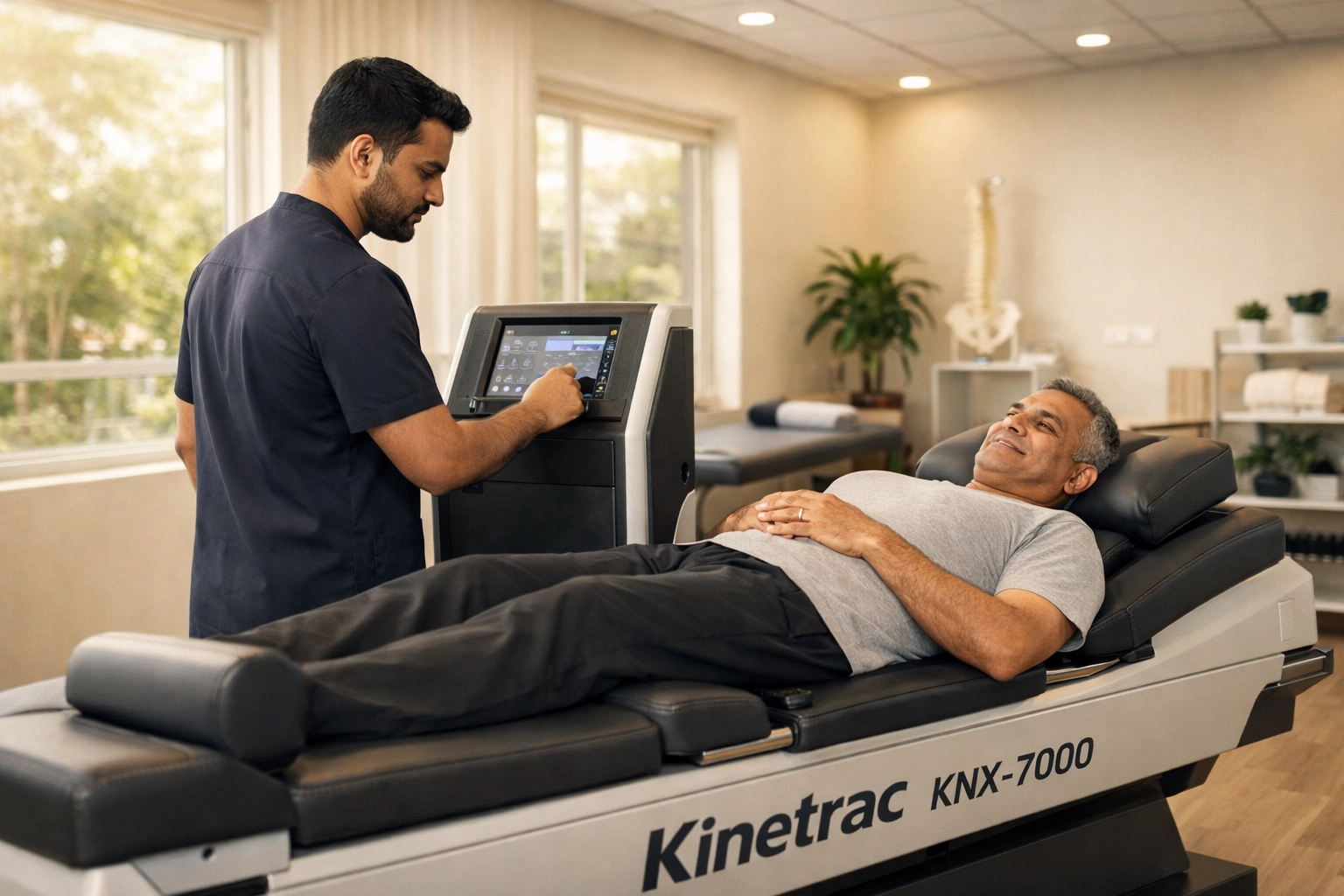
Instead of staying in bed, the fix is targeted movement. At Maana Spine, Joint & Wellness Clinic, Perinthalmanna, we use advanced technology like the Kinetrac KNX-7000 (manufactured in South Korea) to facilitate movement even when you are in pain. This FDA and CE-approved device performs non-surgical spinal decompression, gently stretching the spine to create negative pressure within the discs. This allows you to regain mobility without the strain of traditional exercise.
Are you falling into the “painkiller trap”?
It is tempting to reach for a pill the moment you feel a twinge in your lower back. While medication can offer short-term relief, relying on it as a long-term solution is a dangerous mistake. Pain is your body’s alarm system; it is telling you that something is mechanically wrong.
By masking the pain with medication, you lose the ability to feel when you are pushing your body too far. This often leads to further injury because you are performing activities your spine isn’t ready for. Moreover, long-term use of certain painkillers can have side effects on your digestive and renal systems.
The fix is to seek a diagnosis that identifies the mechanical root cause. Are you dealing with a herniated disc? Or perhaps spinal stenosis: a narrowing of the spinal canal that compresses the nerves? Once the cause is identified, we can employ non-surgical and no side effects treatments like Cryotherapy (from Italy or Poland) to reduce inflammation naturally, rather than relying on chemical intervention.
Why is treating only the “pain site” a losing battle?
Do you find yourself constantly rubbing your lower back or applying heat to your hip, only for the pain to return an hour later? A major mistake in chronic pain management is assuming the site of the pain is the source of the problem.
For example, many people in Perinthalmanna complain of leg pain, not realizing it is actually radiculopathy: pain that radiates along the nerve path because a nerve in the spine is being pinched. If you only treat the leg, the back issue continues to degenerate.
At Maana Spine, Joint & Wellness Clinic, Perinthalmanna, our personalized treatment protocol starts with a thorough assessment to find the source. We look at your posture, your gait, and your spinal alignment. By treating the source, we ensure more healthy years of life rather than just a few hours of relief.
Does a herniated disc always require surgery?
There is a common fear that once a doctor mentions a “slipped disc” or “disc bulge,” surgery is inevitable. This is simply not true for the vast majority of cases. In fact, many people have disc bulges and feel no pain at all, while others have minor issues that cause significant distress.
The mistake is jumping to surgical conclusions before exploring advanced non-invasive technologies. Surgery involves cutting through muscle and tissue, which creates scar tissue and can lead to “failed back surgery syndrome.”
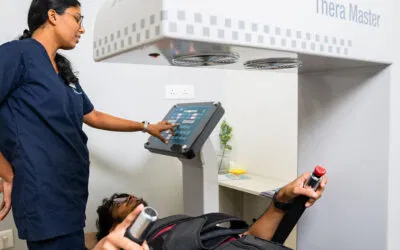
Our pioneer in Kerala approach uses TheraMaster (by Shinhwa Medical, South Korea), an advanced spinal decompression system. This technology allows us to target specific spinal segments with pinpoint accuracy, encouraging the disc material to retract back into place naturally. It is an evidence-based and clinically validated alternative that helps you avoid the risks of the operating room.
Are you settling for “passive” treatments?
Many patients visit a traditional physiotherapy clinic in Perinthalmanna and receive only passive treatments: things like heat packs, simple massages, or basic electrical stimulation. While these feel good in the moment, they rarely provide long-term correction.
The mistake is expecting a massage to fix a structural spinal misalignment. To truly fix back pain, you need a combination of advanced technology and functional rehabilitation. Passive therapy should only be the starting point to reduce initial inflammation.
The fix is a transition to active recovery. Once your pain levels are managed through our South Korean decompression technology, we guide you through evidence-based exercise therapy. This might involve using equipment to strengthen your core and improve your posture at work, ensuring the pain does not return the moment you stop treatment.
Can your lifestyle habits be the silent culprit?
We often look for a single “event” that caused our back pain: a heavy lift or a fall. However, for most people in Perinthalmanna, chronic pain is the result of “micro-trauma.” This comes from mistakes like sitting for six hours straight, wearing unsupportive footwear, or even poor nutrition.
Sitting puts 40% more pressure on your spinal discs than standing. If you spend your day at a desk or driving, you are effectively “starving” your spine of movement and compressing your discs for hours on end.
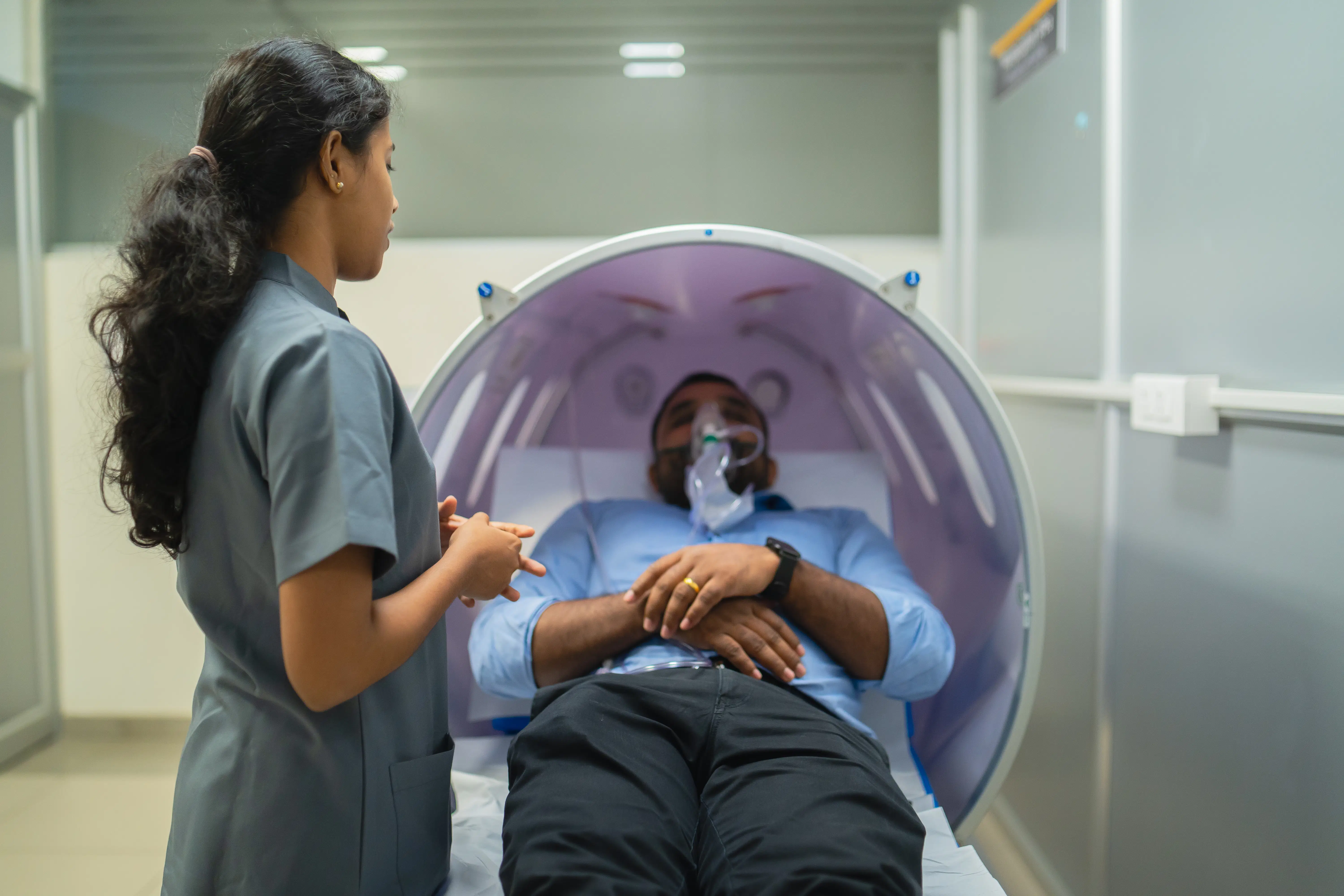
To fix this, we recommend the “20-20-20” rule: every 20 minutes, stand up for 20 seconds and look 20 feet away. Additionally, incorporating Hyperbaric Oxygen Therapy (HBOT) can be a game-changer. By breathing pure oxygen in a pressurized chamber, you saturate your blood plasma with oxygen, which significantly accelerates the repair of damaged spinal tissues and reduces systemic inflammation.
Why is “waiting it out” the most expensive mistake?
Perhaps the most common mistake we see at Maana Spine, Joint & Wellness Clinic, Perinthalmanna, is the “wait and see” approach. You might think the pain isn’t “bad enough” yet to seek professional help.
The problem is that chronic pain changes your brain and your nervous system. This is known as central sensitization, where your nervous system stays in a state of high reactivity, making even minor movements feel painful. The longer you wait, the more difficult it becomes to “reset” these pain pathways.
Furthermore, a minor disc bulge that could have been easily treated with non-surgical spine treatment can eventually progress to a full rupture or severe osteoarthritis if left unaddressed.
What actually happens during non-surgical spinal decompression?
If you have been told you need surgery, you might be wondering how a machine can achieve similar results without an incision.
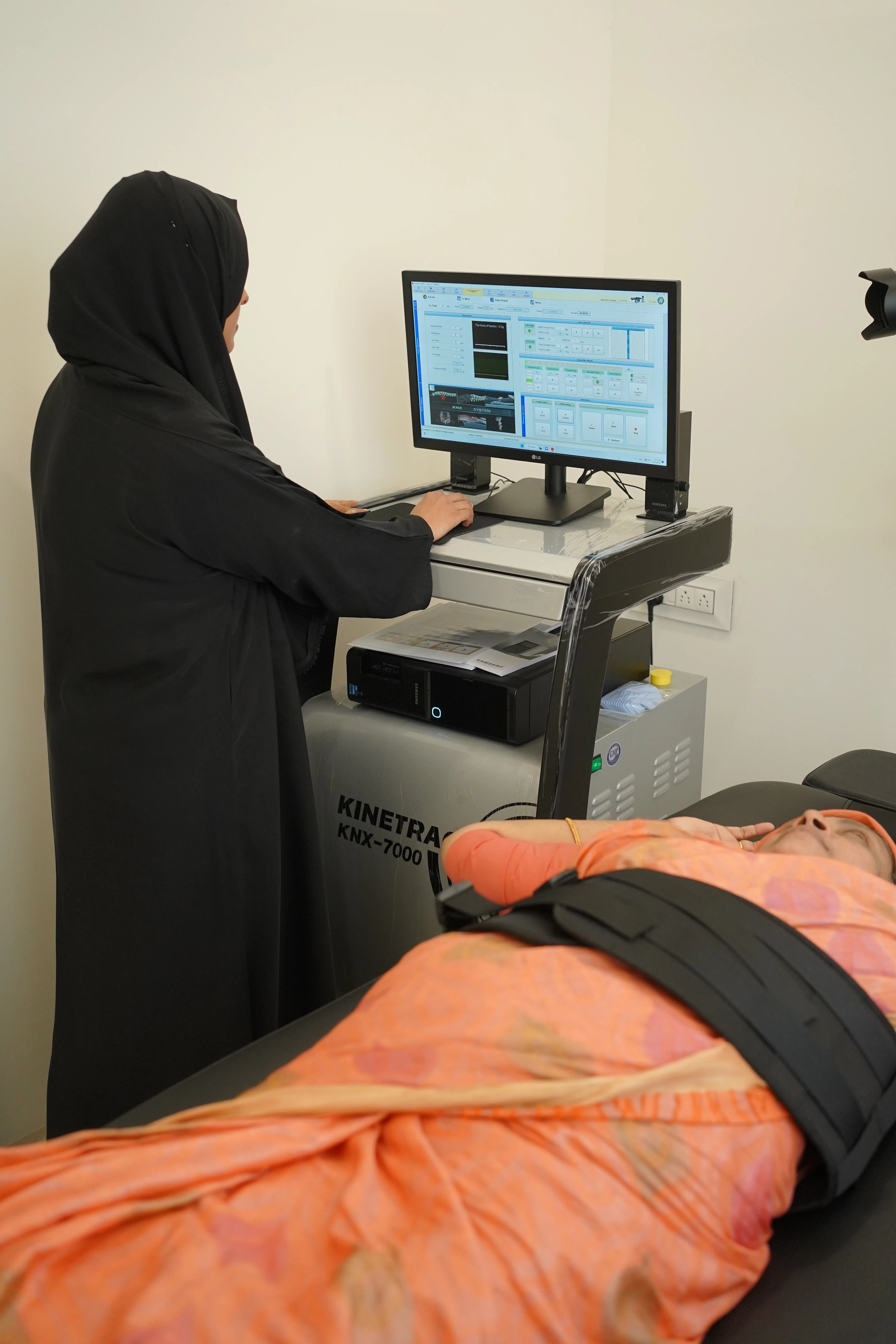
During a session on the Kinetrac KNX-7000, you are comfortably positioned on a specialized table. The computer-controlled system applies a very specific, gentle distractive force to your spine. Unlike old-fashioned traction, which can cause muscles to spasm, these advanced South Korean devices bypass the body’s “muscle guarding” reflex.
This creates a vacuum effect (negative intradiscal pressure) that:
- Helps “pull” bulging disc material back into the center.
- Increases the space between the vertebrae, taking pressure off compressed nerves.
- Facilitates the flow of oxygen and nutrient-rich fluids into the disc to promote natural healing.
This is not a “quick fix”: it is a structured, evidence-based protocol designed to produce lasting structural changes in your spine.
How can Maana Health Perinthalmanna help you?
You deserve more than just a temporary reprieve from your pain. You deserve a life where you can pick up your grandchildren, walk through the markets of Perinthalmanna, and work without the constant shadow of a backache.
At Maana Spine, Joint & Wellness Clinic, Perinthalmanna, we have treated over 10,000+ patients across Kerala using our unique blend of technology and expertise. Our approach is always:
- Non-surgical and non-invasive: No needles, no knives, no side effects.
- Technology-led: Employing the best FDA and CE-approved equipment from around the world.
- Root-cause focused: We don’t just chase the pain; we fix the system.
If you are tired of making these common mistakes and are ready to experience a different path to recovery, we are here to guide you. Our team of specialists understands that every spine is unique, and every treatment protocol should be too.
Speak to one of our physiotherapists today to see if our non-surgical spinal wellness program is the right fit for you.