
Have you ever found yourself crossing your legs before a sneeze, or hesitating to join a workout class because you’re worried about an embarrassing “leak”? You might think these moments are just an inevitable part of aging or a standard byproduct of childbirth, but that is one of the most common misconceptions in modern health. Your pelvic floor is a powerful group of muscles that acts as the foundation of your core, and when it weakens, it doesn’t just affect your bathroom habits, it impacts your confidence, your movement, and your intimate life.
At Maana Health, we believe you deserve more than just a “wait and see” approach or a lifetime of wearing pads. We focus on the root cause, not just symptoms, by using advanced, non-invasive technology to restore the strength and function of these vital muscles. With a 96% satisfaction rate among our patients, our sexual wellness program is designed to help you regain control without the need for invasive procedures or uncomfortable “cables and lasers.”

What exactly is your pelvic floor doing for you right now?
Think of your pelvic floor as a sturdy, muscular hammock. This “hammock” spans the bottom of your pelvis and supports several of your most important organs, including the bladder, the bowel, and, in women, the uterus. These muscles, primarily known as the levator ani, are constantly working to keep everything in place.
When these muscles are healthy and strong, they allow you to control your bladder and bowel movements effortlessly. They also play a crucial role in sexual function and core stability. However, like any other muscle in your body, the pelvic floor can become stretched, weak, or overly tight. When this happens, the “hammock” begins to sag. This is often when you start noticing symptoms like stress urinary incontinence (leaking when you cough or jump) or a feeling of heaviness in the pelvic area.
By focusing on pelvic floor strengthening, you are essentially reinforcing the “basement” of your body. Clinical evidence suggests that targeted exercise and tech-led rehabilitation can significantly improve the quality of these tissues, leading to better support for your internal organs and a dramatic reduction in unwanted symptoms.
Why are so many people silent about bladder leaks and pelvic pain?
It is a clinical reality that pelvic health issues are vastly underreported. Many patients we see in our clinics across Kerala have been quietly managing these issues for years, assuming that surgery is the only definitive answer. They worry about the recovery time, the side effects, and the invasive nature of traditional operations.
This silence often leads to a declining quality of life. You might stop going for long walks, avoid social gatherings, or feel a disconnect in your personal relationships. But the truth is, pelvic floor dysfunction is a physical condition that responds to physical rehabilitation. Just as you would see a specialist for a knee injury or chronic back pain, your pelvic floor requires a dedicated, personalised treatment protocol.

Can you really strengthen these muscles without surgery?
The short answer is yes. In many cases, non-invasive pelvic floor strengthening is the most effective first-line treatment. For years, the standard advice was to “just do Kegels,” but many people perform these incorrectly, or their muscles are too weak to respond to manual exercises alone.
This is where Maana Health’s commitment to evidence-based, technology-led rehabilitation makes a difference. We move beyond basic manual techniques. We use advanced diagnostic tools and therapeutic devices that help you engage the correct muscles with precision. Our approach is non-surgical and has no side effects, making it a safe and preferred option for those looking to avoid the operating theater.
We take inspiration from the same high standards found in our spinal care, where we use South Korean technologies like the TheraMaster and KNX-7000. While those specific machines target the spine, that same philosophy of using FDA and CE-approved technology to stimulate deep tissue healing is what drives our pelvic health programs. We focus on high-frequency, non-invasive muscle stimulation that can achieve what manual exercise alone cannot.
What makes the Maana Health approach different?
At Maana Health, we are a pioneer in Kerala for integrating advanced South Korean rehabilitation logic into daily clinical practice. When you visit us, you aren’t just getting a list of exercises to do at home. You are entering a structured clinical environment where your progress is monitored using precise data.
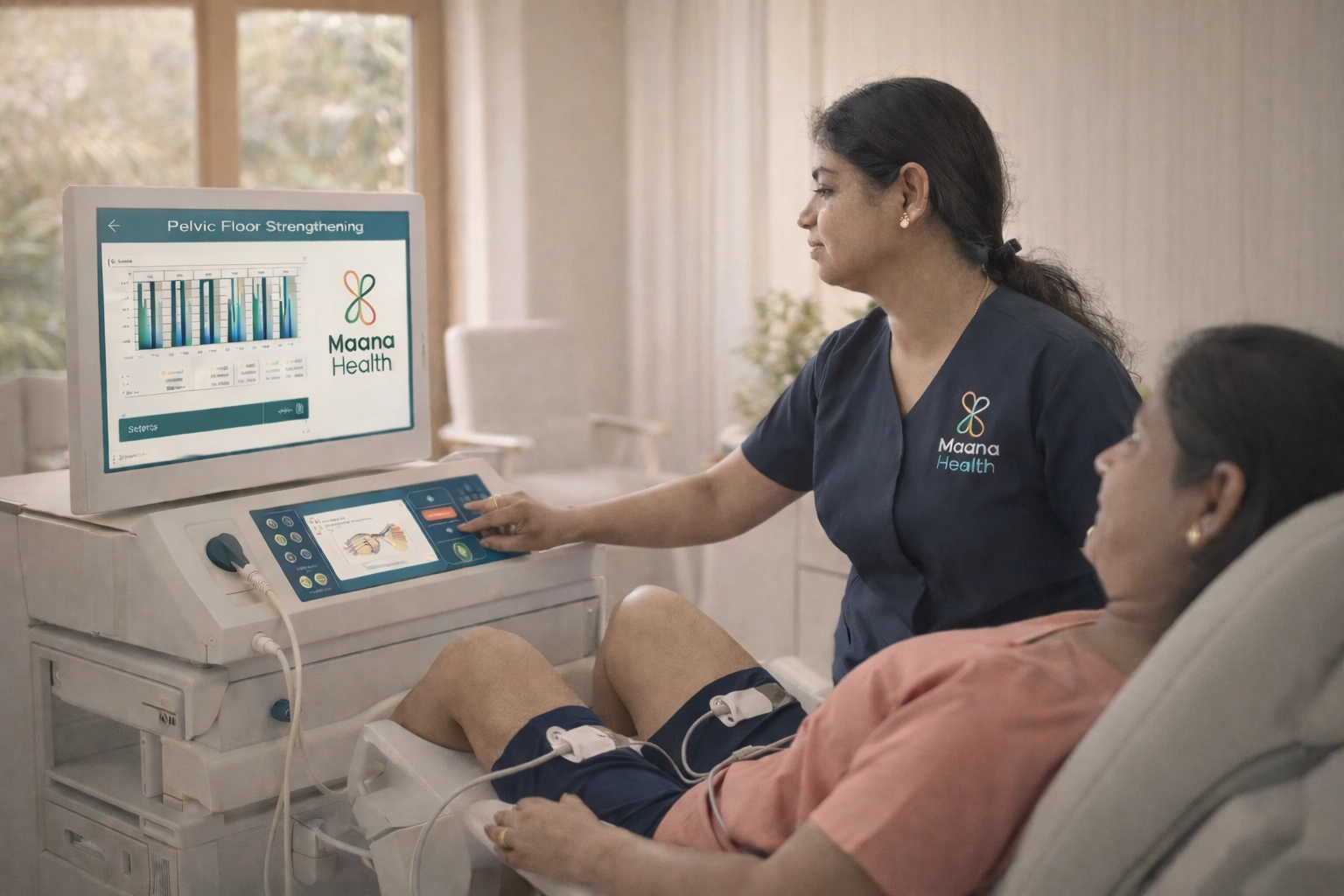
Our pelvic floor strengthening program is built on three pillars:
- Non-Invasive Stimulation: We use medical-grade technology to trigger deep muscular contractions. This helps “re-educate” the muscles that have become dormant due to pregnancy, surgery, or aging.
- Clinical Supervision: Every session is guided by a specialist who ensures you are engaging the right muscle groups. This prevents the common mistake of straining the abdominal muscles instead of the pelvic floor.
- Data-Driven Results: We track your improvements over time. Our 96% satisfaction rate isn’t just a number; it’s a reflection of the 10,000+ patients we have treated across our centers, helping them return to a life of movement and confidence.
How long does it take to see real results?
Healing and strengthening take time, but the biological process is well-documented. For optimal results, clinical research typically recommends a 12-week (3-month) supervised protocol.
During the first few weeks, the focus is on “awakening” the nerves and muscles in the pelvic region. You might start to notice small changes: perhaps you feel more “in control” or notice a slight reduction in the frequency of your bathroom trips. By the middle of the program, muscular hypertrophy (the growth of muscle fibers) begins to take place.
By the end of the 12 weeks, most patients report a significant improvement in their quality of life. Whether it’s returning to the gym without fear or simply sleeping through the night without having to wake up multiple times, the cumulative effect of a structured protocol is profound. We don’t offer a “quick fix,” because we know that sustainable health requires consistent, evidence-based intervention.
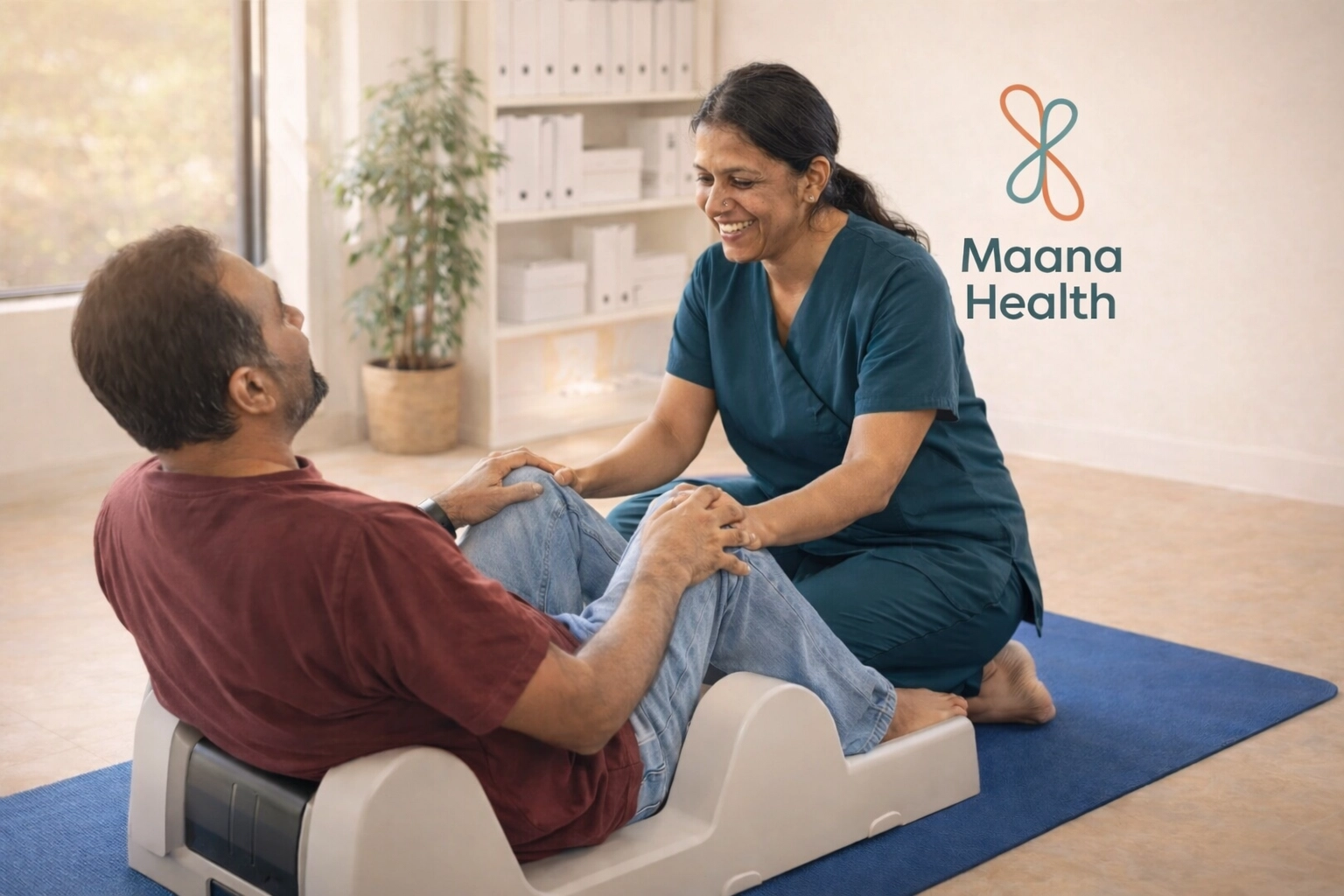
Is this program right for your specific needs?
Pelvic floor strengthening isn’t just for one type of person. It is a versatile treatment that benefits a wide range of individuals:
- Postpartum Recovery: If you have recently given birth, your pelvic floor has undergone immense stress. Strengthening these muscles early can prevent prolapse and incontinence later in life.
- Men’s Health: Men often require pelvic floor rehab following prostate surgery. Our non-invasive approach helps restore bladder control and sexual function without further trauma to the area.
- Managing Prolapse: In many cases, strengthening the muscular support can manage the symptoms of mild to moderate pelvic organ prolapse, potentially delaying or removing the need for surgery.
- Sexual Wellness: Stronger pelvic muscles lead to increased blood flow and better nerve response, which are essential for a healthy and fulfilling intimate life.
If you have been struggling with these issues, remember that you are not alone, and you certainly don’t have to just “live with it.” At Maana Health, we combine a warm, human touch with the most advanced non-surgical technology available in India today.
Your journey to better health starts with understanding that your body has an incredible capacity to heal when given the right tools. We invite you to step away from the misconceptions and move toward a solution that is backed by science and proven by thousands of successful patient outcomes.
Are you ready to stop managing symptoms and start treating the root cause? Speak to one of our physiotherapists today to see how our pelvic floor strengthening program can give you more healthy years of life.