
Authored by Ashitha Abdul Ashraf, Senior Consultant Physiotherapist – Incharge | Medically Reviewed by Dilshana Thasni T, Senior Consultant Physiotherapist | Last Reviewed: June 2026
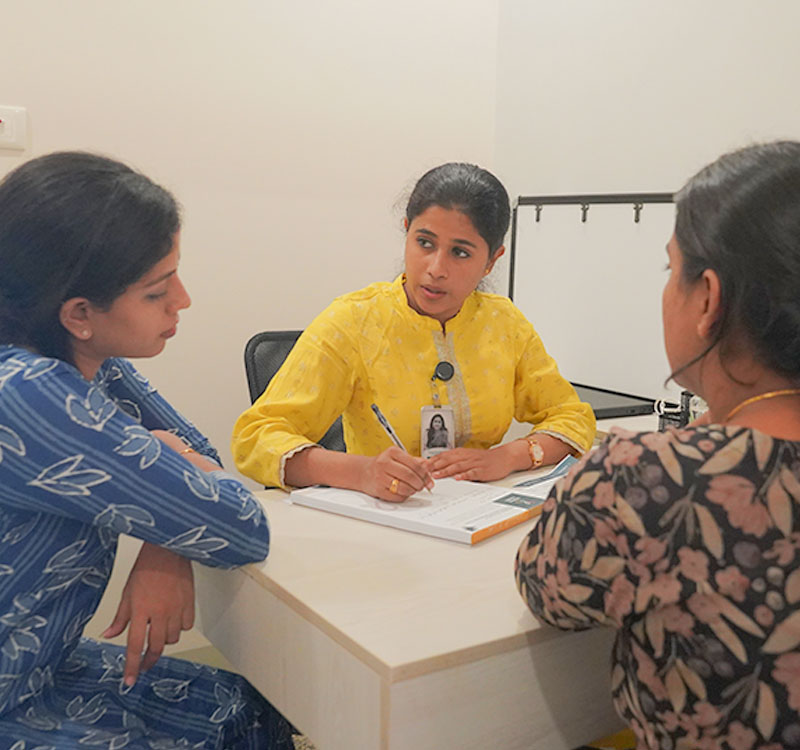
Most people walk out of their first physiotherapy session with one question: how long is this going to take?
It is a fair question. You have work, family, and a life to get back to. The honest answer is that it depends on your condition, how long you have had it, and how consistent you are with your home exercises. But there are realistic numbers for most conditions, and this guide gives them to you straight.
Why There Is No One-Size Answer
Two patients can walk in with lower back pain and have completely different recovery timelines. A 28-year-old with a two-week-old strain is a very different case from a 55-year-old with three years of disc degeneration. Same symptom, different story.
What affects your timeline:
- How long you have had the condition
- Whether it is a fresh injury or a long-standing problem
- Your age and fitness level
- Whether surgery was involved
- How regularly you do your home exercises
Session Estimates by Condition
Acute Muscle Strains and Sprains
4 to 8 sessions
Fresh injuries respond fast when treated early. Most people feel significant improvement within the first few sessions. Wait too long and an acute injury becomes chronic, which means a longer road ahead.
Frozen Shoulder
12 to 24 sessions over 3 to 6 months
Frozen shoulder is slow by nature. It moves through three stages and treatment has to work with each one carefully. Patience matters more here than intensity.
Chronic Lower Back Pain
8 to 16 sessions
Long-standing back pain takes more than pain relief to fix. The goal is to address the root cause, strengthen the supporting muscles, and correct the movement patterns that got you here in the first place.
Knee Osteoarthritis
10 to 20 sessions
Early to moderate knee OA responds well to physiotherapy. The focus is on reducing joint load through muscle strengthening and improving flexibility. Severe cases with significant joint damage take longer.
Plantar Fasciitis
6 to 12 sessions
Most cases resolve with physiotherapy, shockwave therapy, or a combination of both. Cases that have been ignored for over a year take more time.
Post-ACL Surgery
20 to 36 sessions over 6 to 9 months
One of the longest rehabilitation programs in physiotherapy. Return to sport takes 9 to 12 months. Rushing this is the number one reason for re-rupture.
Post-Knee Replacement
12 to 20 sessions over 2 to 3 months
Rehabilitation ideally begins within 48 hours of surgery. Early movement leads to better outcomes. The goal is full range of motion and getting back to daily life independently.
Stroke Rehabilitation
3 to 5 sessions per week, ongoing
There is no fixed session count here. The first three to six months post-stroke are the most critical window for recovery. Frequent, consistent physiotherapy during this period makes a real difference.
Sciatica
8 to 16 sessions
Most sciatica cases caused by disc issues respond well to physiotherapy and spinal decompression. Cases that do not show improvement within 12 weeks need further investigation.
Quick Reference Table
| Condition | Sessions | Timeframe |
|---|---|---|
| Acute Muscle Strain | 4 to 8 | 2 to 4 weeks |
| Frozen Shoulder | 12 to 24 | 3 to 6 months |
| Chronic Back Pain | 8 to 16 | 6 to 12 weeks |
| Knee Osteoarthritis | 10 to 20 | 8 to 16 weeks |
| Plantar Fasciitis | 6 to 12 | 4 to 10 weeks |
| Post-ACL Surgery | 20 to 36 | 6 to 9 months |
| Post-Knee Replacement | 12 to 20 | 2 to 3 months |
| Stroke Rehabilitation | Ongoing | 3 to 6 months minimum |
| Sciatica | 8 to 16 | 6 to 12 weeks |
What Actually Slows Recovery
Starting too late. A two-week injury needs 4 sessions. The same injury left for six months may need 16. Early treatment always wins.
Skipping home exercises. Your physiotherapist works with you for an hour. The other 23 hours are on you. This one factor alone doubles recovery time for many patients.
Stopping when the pain stops. Pain goes before strength and stability return. Joints that feel fine but are not fully rehabilitated re-injure easily.
Returning to sport or work too soon. Especially for post-surgical cases. Tissues need time to heal fully regardless of how you feel.
Two Sessions Is Not a Trial
This needs to be said clearly.
Many people try physiotherapy for two or three sessions, feel no dramatic change, and give up. Then they end up in surgery that could have been avoided.
Two sessions cannot undo six months of damage. A genuine trial means committing to 8 to 12 weeks, attending consistently, and doing the home exercises. Judge the outcome after that, not after session two.
Frequently Asked Questions
What if I am not improving after 6 sessions? Tell your physiotherapist. A good therapist will reassess, adjust the plan, or refer you for further investigation. Lack of progress is information, not a dead end.
Is daily physiotherapy better than twice a week? For acute injuries and post-surgical cases, more frequent sessions early on produce better results. For chronic conditions, two to three times a week with consistent home exercise is usually the right balance.
Can physiotherapy replace surgery? For many conditions, yes. Disc herniations, moderate knee OA, rotator cuff tears, and spinal stenosis without nerve damage all have strong evidence for physiotherapy as the first-line treatment. Surgery should follow a proper trial of conservative care, not precede it.
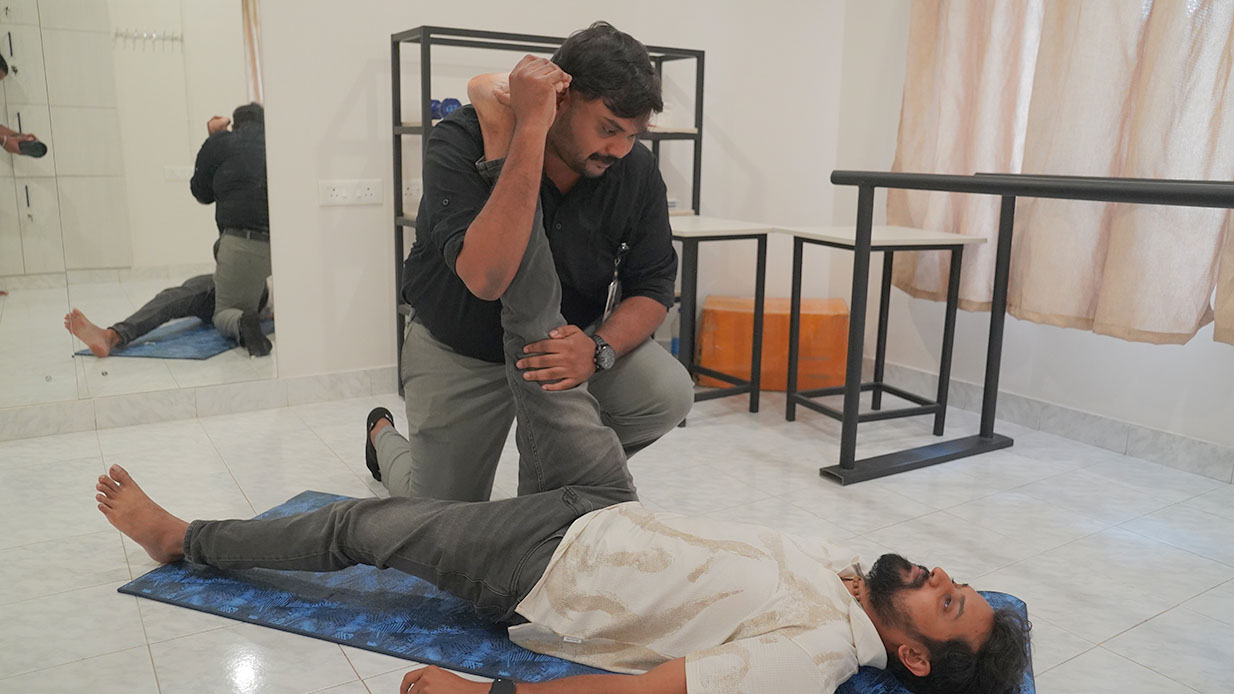
Maana Health has clinics across Kerala in Kochi, Calicut, Perinthalmanna, Aluva, and Trivandrum. Not sure how many sessions your condition needs? Book a free assessment and we will give you a clear, honest answer.