
Did you know that nearly 50% of amateur athletes in Kochi return to their sport too early, only to reinjure themselves within three months? It is a frustrating cycle: you feel a “pop” or a “twinge” during a football match or a morning run, you rest for a week until the sharp pain dulls, and then you head back to the turf only to end up right back where you started. You deserve more than just a temporary “fix” that breaks down the moment you push your body.
When you are dealing with a sports injury, your goal isn’t just to stop the pain; it is to get back to your peak performance safely. Traditional recovery often relies heavily on rest and basic stretches, but if you want to speed up the biological healing process, you need to look at what’s happening at the cellular level. At Maana Health, we believe in a root cause not just symptoms approach, using evidence-based and clinically validated technologies to get you back in the game faster.
Why does your sports injury keep coming back?
If you have been visiting a joint pain treatment Kochi center and finding that your relief only lasts a few days, it’s likely because the underlying tissue damage hasn’t been fully addressed. Most sports injuries involve micro-tears in tendons, ligaments, or muscle fibers. When these heal improperly, they form “adhesions” or scar tissue that is less flexible than the original muscle.
This lack of flexibility makes you prone to reinjury. Whether it is a recurring ACL strain, tennis elbow, or chronic ankle instability, the problem often lies in how your body repaired itself the first time. In many cases, the blood flow to these injured areas: especially tendons: is naturally poor, which slows down the arrival of the “building blocks” your body needs to knit itself back together. This is where advanced modalities change the game.
What makes advanced modalities different from traditional physiotherapy?
If you are looking for a physiotherapy clinic Kochi that offers more than just hot packs and manual massage, you are looking for advanced medical modalities. While manual therapy has its place, it often cannot reach the depth or precision required to stimulate deep tissue repair.
At Maana Health, we are a pioneer in Kerala for integrating non-invasive medical technology that has been FDA and CE-approved. These technologies, like Extracorporeal Shock Wave Therapy (ESWT) and Pulsed Signal Therapy, work by sending specific energy signals into the injured area. Instead of just “masking” the pain, these signals act as a biological wake-up call for your cells.
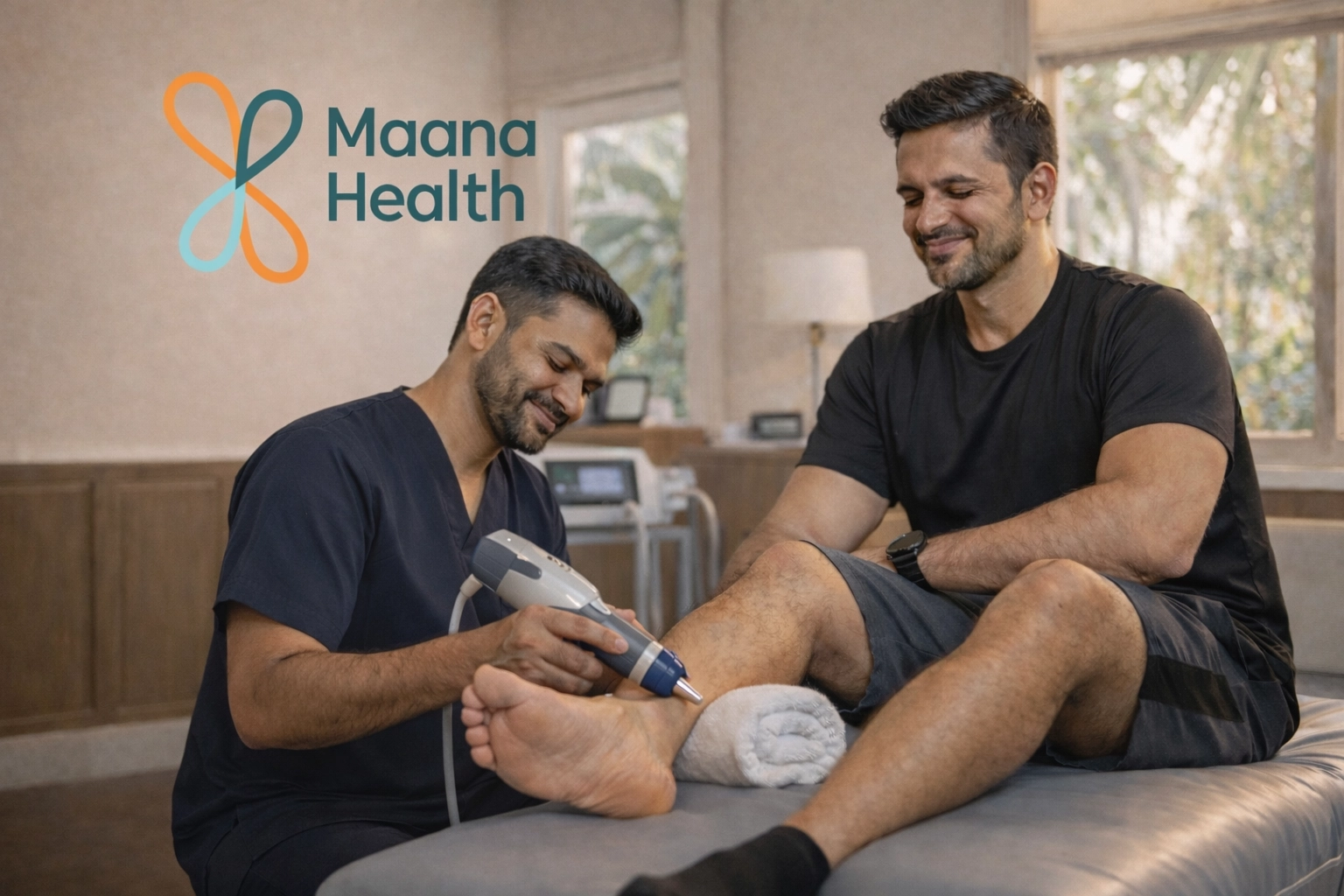
How does Shockwave Therapy actually trigger healing?
One of the most powerful tools in our Kochi clinic is Extracorporeal Shock Wave Therapy (ESWT). Don’t let the name intimidate you; it has nothing to do with electric shocks. Instead, it uses high-energy acoustic waves (sound waves) that travel through your skin to the site of the injury.
Clinical evidence suggests that these sound waves create “micro-trauma” in the affected tissue. This might sound counterintuitive, but this controlled micro-trauma actually stimulates the body to increase blood circulation and metabolism in that specific spot. It kicks your healing response into high gear, breaking down calcifications and scar tissue that might be causing chronic joint pain. Most patients find this particularly effective for stubborn conditions like Achilles tendonitis or plantar fasciitis that haven’t responded to other treatments.
Can non-invasive technology help you avoid the operating table in Kochi?
Many athletes fear that a significant injury automatically means surgery and months of grueling rehab. While some severe tears do require a surgical approach, many sports injuries can be managed successfully through non-surgical and no side effects protocols.
We focus on helping you achieve more healthy years of life by preserving your natural joints. Using technologies like Pulsed Signal Therapy, we can address cartilage wear and tear that often follows a sports injury. This technology mimics the natural electrical signals generated by your body during physical activity, which helps in maintaining the health of your joint tissues. By restoring these signals, we help your body maintain its own “internal repair shop,” often allowing you to avoid invasive procedures entirely.
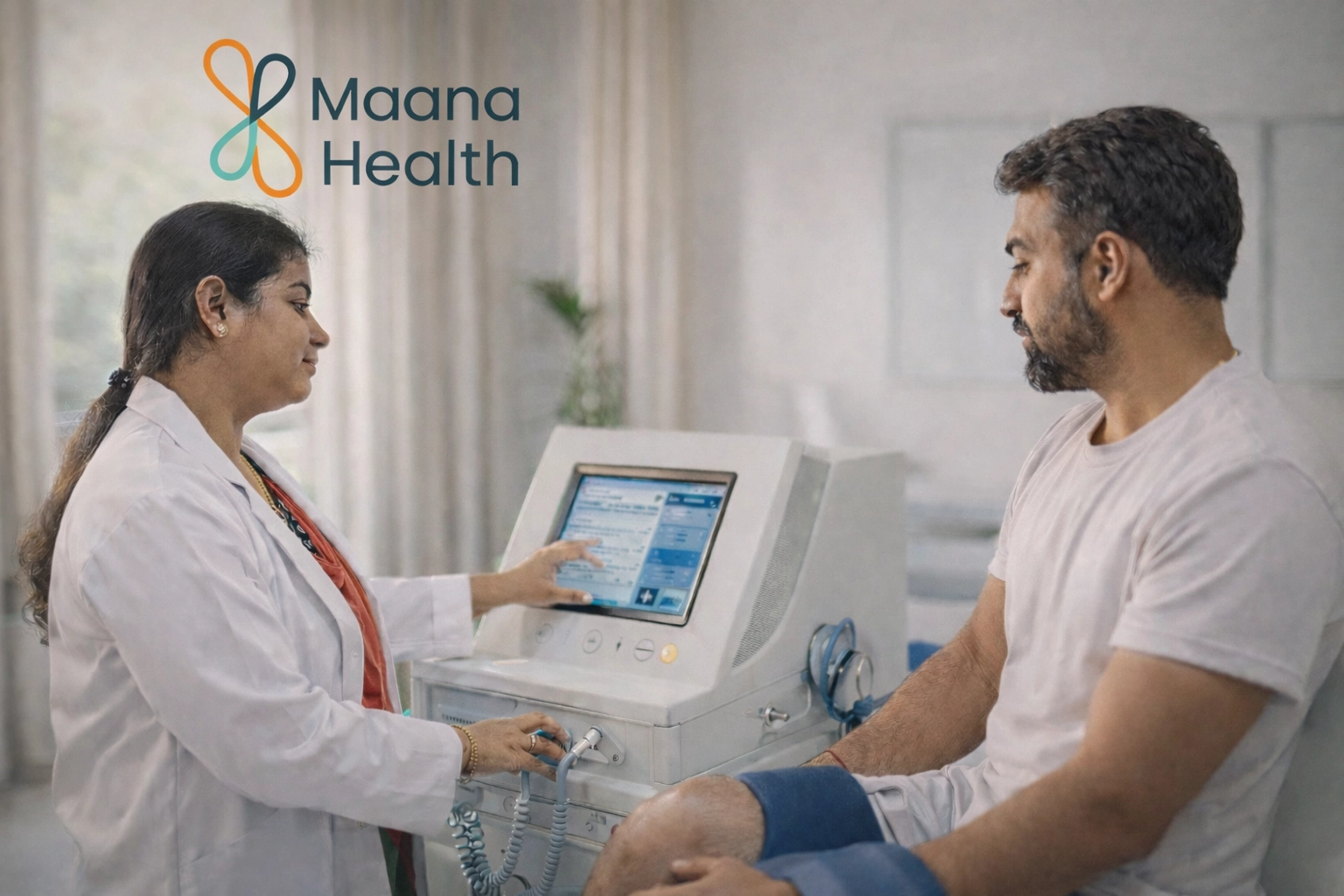
What role does cryo therapy play in your recovery?
If you have ever used an ice pack on a swollen ankle, you have practiced a basic form of cryo therapy. However, the medical-grade cryo therapy we use in Kochi is significantly more targeted. By applying extreme cold to a localized injury site for a very short duration, we can cause the blood vessels to constrict and then rapidly dilate once the cold is removed.
This “flushing” effect helps to move inflammatory markers out of the area and brings fresh, oxygen-rich blood in. For an athlete, this means a dramatic reduction in downtime. Reducing inflammation quickly is key to preventing the “stiffness cycle” that often sets in after an acute injury.
Why is exercise guidance still essential alongside technology?
Technology provides the spark for healing, but your movement patterns provide the fuel. Once the advanced modalities have reduced your pain and kickstarted tissue repair, you need to “re-train” your body to move correctly. If you had a knee injury, you might have subconsciously changed the way you walk, which can lead to hip or back pain later on.
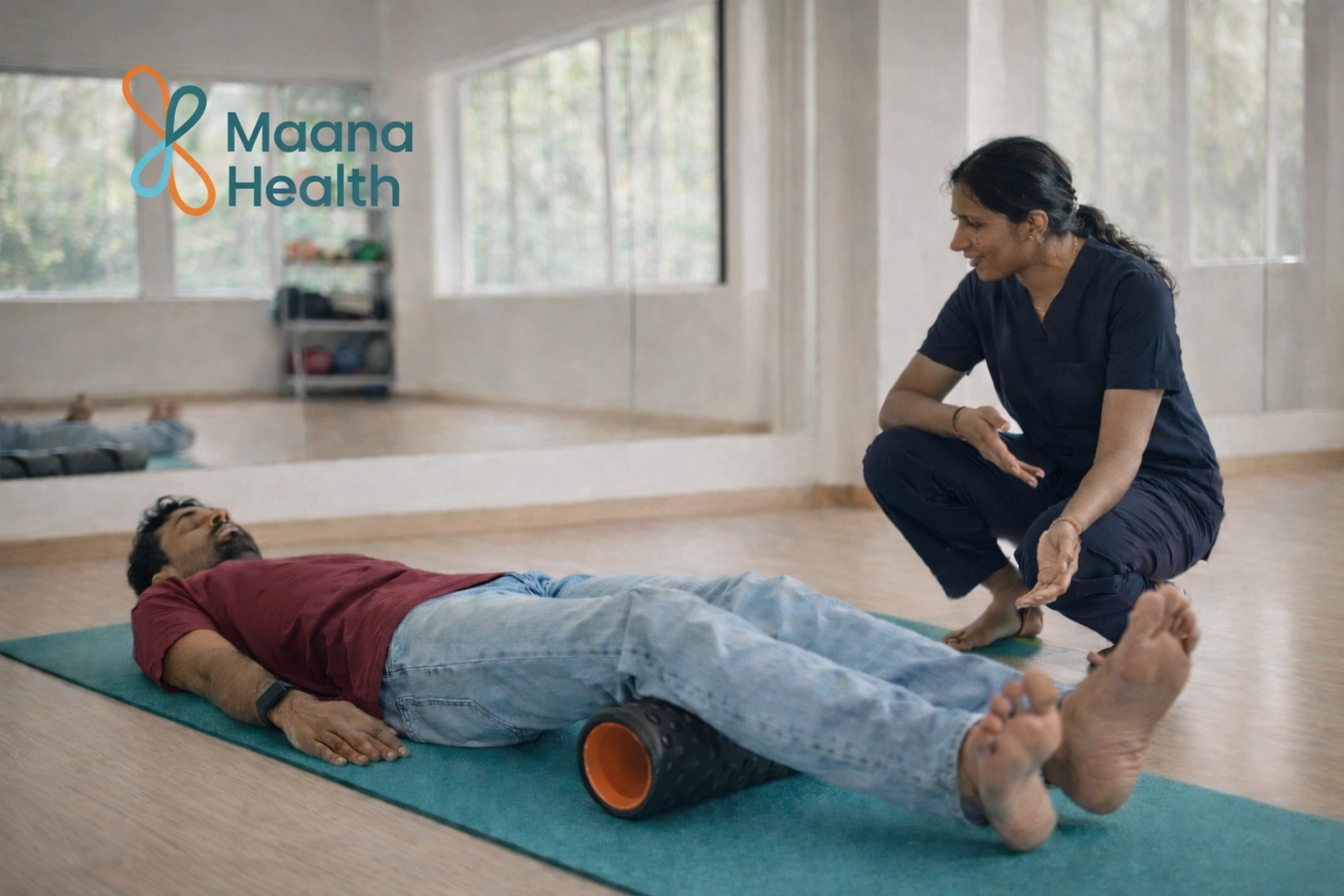
Our physical therapists in Kochi work with you on a personalised treatment protocol that includes evidence-based exercise therapy. This might involve myofascial release: a technique to relax tight muscles: or specific strengthening drills to ensure your joints are supported by strong, resilient muscles.
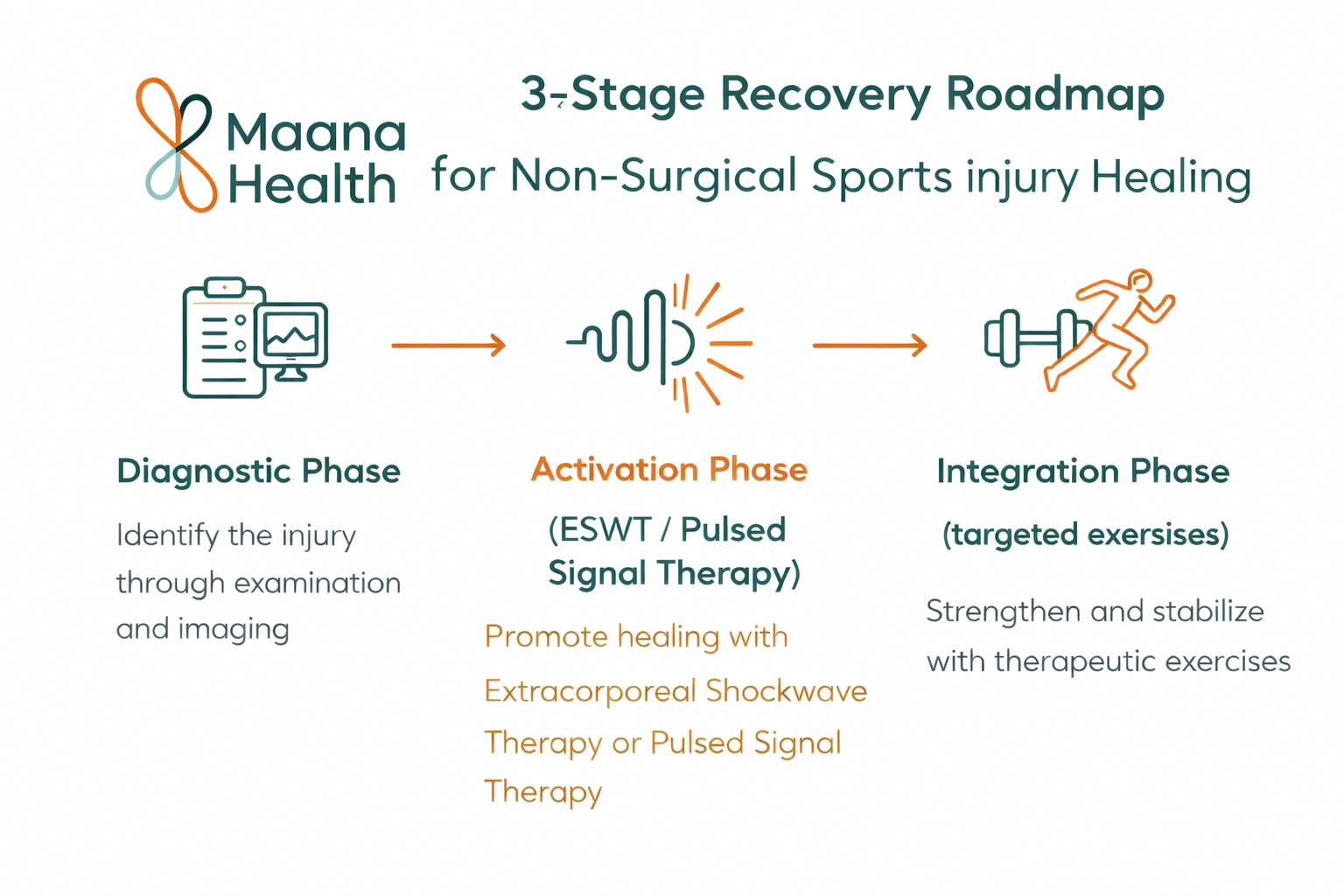
What should your recovery roadmap look like?
When you walk into our clinic, we don’t just look at where it hurts. We look at why it hurts. Your recovery roadmap usually follows three critical phases:
- The Diagnostic Phase: We use advanced non-invasive evaluation to understand the extent of the tissue damage.
- The Activation Phase: We use modalities like ESWT or Pulsed Signal Therapy to trigger the biological healing process and reduce inflammation.
- The Integration Phase: We introduce targeted exercises to restore your range of motion and strength, ensuring your body is “bulletproofed” against future injury.
By following this structured path, we have successfully treated 10,000+ patients, helping them return to their active lifestyles without the need for long-term medication or risky surgeries.
Choosing the right path for your body
Recovery is not a race, but it shouldn’t be a marathon of endless pain either. You have the choice between a “quick fix” that likely won’t last, or a scientifically-backed approach that addresses the root cause of your injury. Whether you are a professional athlete or a weekend warrior in Kochi, your body deserves the most advanced care available to ensure you can keep moving for decades to come.
If you are tired of the cycle of injury and “rest,” it might be time to see what modern medical technology can do for your recovery.
Speak to one of our physiotherapists today to see how we can help you get back to the sport you love.